
A Simple, Progressive Skincare Plan: Why Tyrosinase Inhibitors and Vitamin C Matter


At Smoothe & Co., owner and esthetician Lindsey has built her philosophy around one core belief: skincare should feel supportive, not overwhelming. In a world full of 10-step routines and aggressive resurfacing trends, she takes a different approach — progressive, intentional, and rooted in skin biology.
Clients often come in frustrated. They’ve tried the viral retinol. They’ve layered exfoliating acids. They’ve switched products every few weeks hoping for faster results. What they usually need isn’t more intensity — it’s more structure.
For Lindsey, that structure starts with a simple foundation and builds strategically over time. And at the center of that strategy are two ingredients she believes almost everyone benefits from: a tyrosinase inhibitor and vitamin C.

Why Lindsey Recommends a Tyrosinase Inhibitor for Nearly Everyone
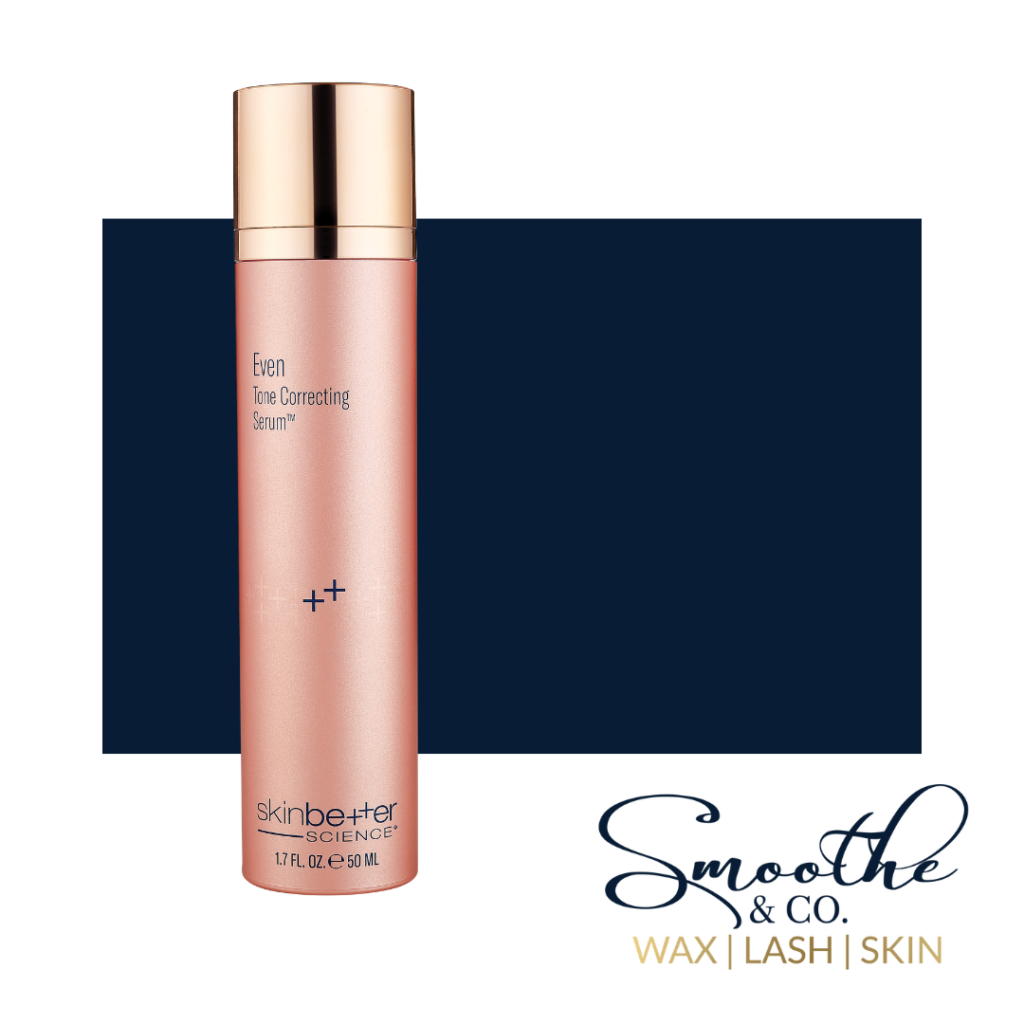
If there is one process in the skin that quietly drives multiple concerns, it’s pigment production. Whether someone is dealing with acne marks, sun damage, melasma, or early signs of aging, melanin activity plays a role. The enzyme responsible for initiating that pigment production is called tyrosinase.
When tyrosinase becomes overstimulated from inflammation, UV exposure, hormones, or even friction, the skin produces excess melanin. That excess shows up as dark spots, uneven tone, or lingering discoloration long after a breakout has healed.
A tyrosinase inhibitor works at the source. Instead of only treating pigment after it appears, it helps regulate the process that creates it in the first place. This preventative approach is especially important in North Carolina, where consistent sun exposure and humidity can quietly amplify pigmentation issues year-round.
Lindsey often explains it this way: most people are trying to erase pigment, when what they should be doing is managing it. By stabilizing melanin activity early, skin stays clearer, brighter, and more even over time.
Research compiled by the National Institutes of Aging supports this approach, showing that regulating melanin production is central to preventing and improving hyperpigmentation disorders. That science reinforces what Lindsey sees daily in the treatment room, prevention creates better long-term outcomes than correction alone.
Vitamin C: Protection Before Correction
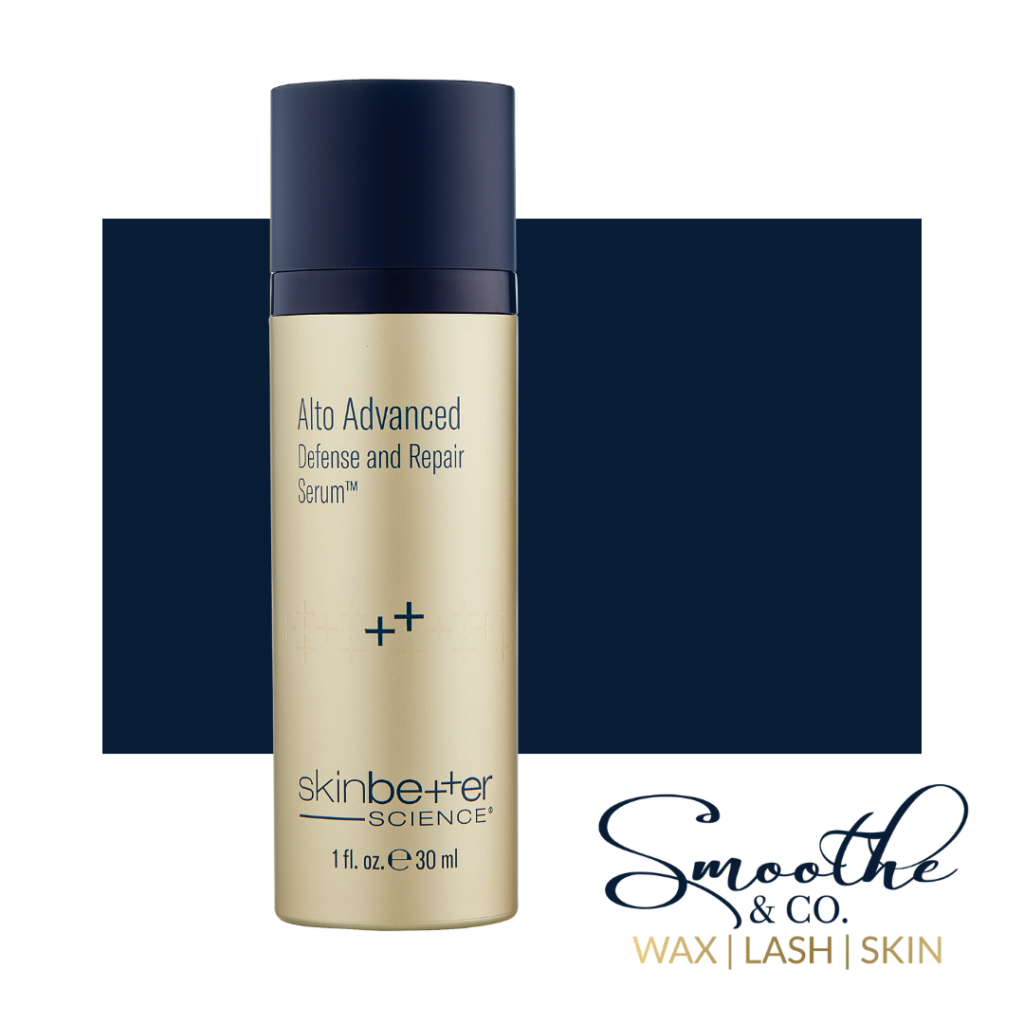
While tyrosinase inhibitors help regulate internal pigment processes, vitamin C works more defensively. It protects the skin from oxidative stress caused by ultraviolet exposure and environmental pollutants. Those stressors don’t just create wrinkles; they also trigger inflammation and pigment overproduction.
Vitamin C is one of the most researched topical antioxidants available. It supports collagen production, improves brightness, and enhances the effectiveness of sunscreen when layered properly underneath it. It doesn’t replace SPF, but it strengthens your overall protection strategy.
The American Academy of Dermatology consistently emphasizes antioxidants as a key part of preventing environmental skin damage. Lindsey incorporates vitamin C early in most routines because protection is easier than reversal.
When clients combine a tyrosinase inhibitor with vitamin C, they’re addressing two of the most common long-term skin concerns at once: uneven tone and premature aging.
The Power of Starting Simple: Cleanser, Moisturizer, SPF
Despite her love for targeted ingredients, Lindsey rarely begins with actives. Instead, she starts with what she calls “the essential three”: a gentle cleanser, a supportive moisturizer, and daily SPF.
It sounds almost too simple — but that’s the point.
Healthy skin requires a stable barrier. When the barrier is compromised by over-exfoliation or too many actives layered too quickly, the skin becomes reactive. Redness increases. Pigment worsens. Breakouts last longer. Aging accelerates because inflammation remains constant.
A well-formulated cleanser removes buildup without stripping natural lipids. A quality moisturizer supports hydration and barrier repair. A mineral SPF prevents ongoing UV damage that silently breaks down collagen and stimulates pigment.
This trio creates the environment in which corrective ingredients can actually work. Without it, even the most advanced serums underperform.
For those new to skincare or feeling overwhelmed, Lindsey often directs them first to a simplified routine and recommends starting with a consultation or a customized facial plan (see: Skincare Consultation Raleigh or Custom Facial Treatments Raleigh). Building slowly allows the skin to respond positively instead of defensively.
A Progressive Approach Instead of an Aggressive One
The word “progressive” is central to Lindsey’s method. Rather than attacking the skin with high percentages and multiple acids, she introduces one or two targeted serums at a time. The skin is observed. Adjustments are made. Only when the skin shows stability does she move to the next step.
This process builds resilience.
Aggressive routines may produce quick peeling or dramatic short-term changes, but they often compromise barrier integrity and increase pigmentation risk — especially in medium to deeper skin tones. Progressive skincare respects the skin’s natural renewal cycle and strengthens it gradually.
At Smoothe & Co., that means layering intentionally: first protection, then prevention, then renewal.
Introducing Retinol at the Right Time
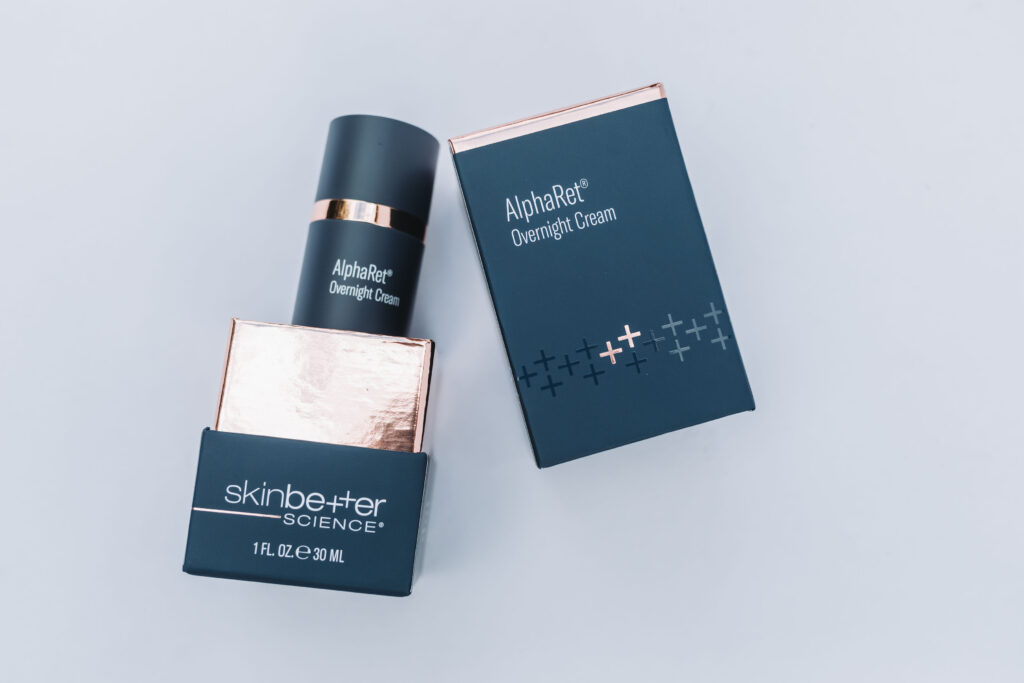
Once the barrier is stable and hydration is consistent, retinol becomes a powerful next step. Retinoids are widely studied for their ability to increase cell turnover, stimulate collagen production, and improve texture.
They can soften fine lines, refine pores, and support acne management. But they must be introduced correctly.
When retinol is added too early or too frequently, it can create irritation that leads to inflammation — and inflammation often leads to pigmentation issues. Lindsey prefers to introduce retinol gradually, sometimes only once or twice per week at first, ensuring the skin adapts comfortably.
Studies cited by the National Institutes of Health confirm retinoids’ role in collagen stimulation and reversing photodamage, but they also reinforce the importance of controlled, consistent use.
Hyaluronic Acid: The Quiet Hero of Hydration
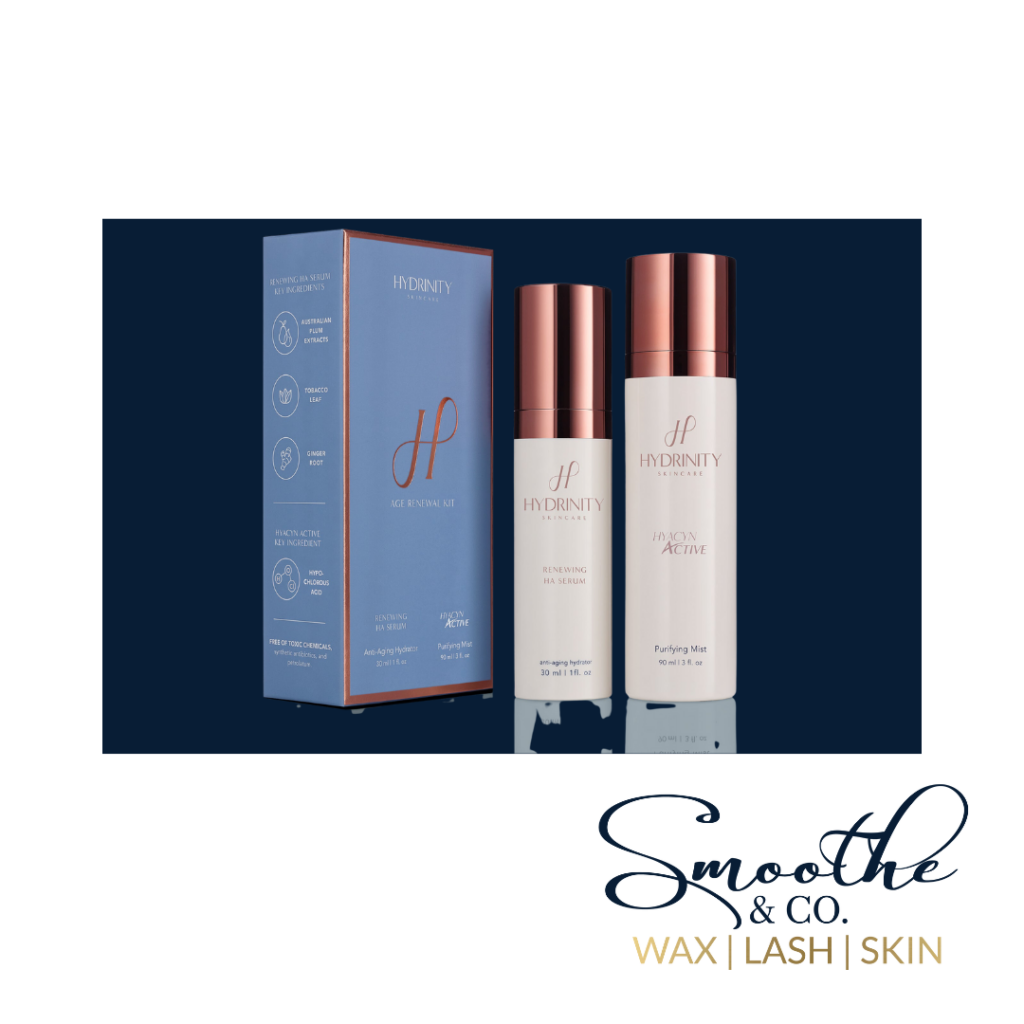
Hydration may not sound as exciting as collagen stimulation, but it’s foundational. Hyaluronic acid draws moisture into the skin, improving elasticity and supporting repair processes. When skin is hydrated, it tolerates retinol better. It heals faster. It appears smoother and more radiant.
In Lindsey’s philosophy, hydration is not optional — it’s structural support. Without adequate moisture, active ingredients can create more stress than benefit.
Listening to the Skin Over Following Trends
What makes Lindsey’s approach cohesive is that it evolves with the client. Skin is dynamic. Hormones shift. Seasons change. Stress levels fluctuate. Instead of rigid routines, she teaches clients how to observe their skin’s signals.
Is it feeling tight? Increase hydration.
Is pigment lingering after breakouts? Revisit tyrosinase inhibition.
Is texture becoming uneven? Introduce renewal strategically.
The goal is not perfection overnight. It’s steady improvement over months and years.
The Long-Term Vision: Restore, Hydrate, Protect, Renew
When you look at Lindsey’s philosophy as a whole, it follows a natural order:
First, protect the skin from ongoing damage.
Second, stabilize and hydrate the barrier.
Third, prevent pigment and oxidative stress.
Finally, stimulate renewal to restore structure.
Tyrosinase inhibitors manage tone. Vitamin C defends against environmental stress. Hyaluronic acid maintains hydration. Retinol supports regeneration.
Together — introduced progressively — they create skin that is not only clearer and brighter, but stronger.
At Smoothe & Co., that strength is the real goal. Because when the skin is supported instead of overwhelmed, results last longer, reactions decrease, and clients feel confident in routines they can actually maintain.
Skincare doesn’t have to be complicated to be powerful. Sometimes the most transformative approach is the one that starts simply, and builds with intention.