Fitzpatrick Skin Type Explained: Why Skin Tone Matters, Why Everyone Needs Sunscreen, and How Treatments Differ

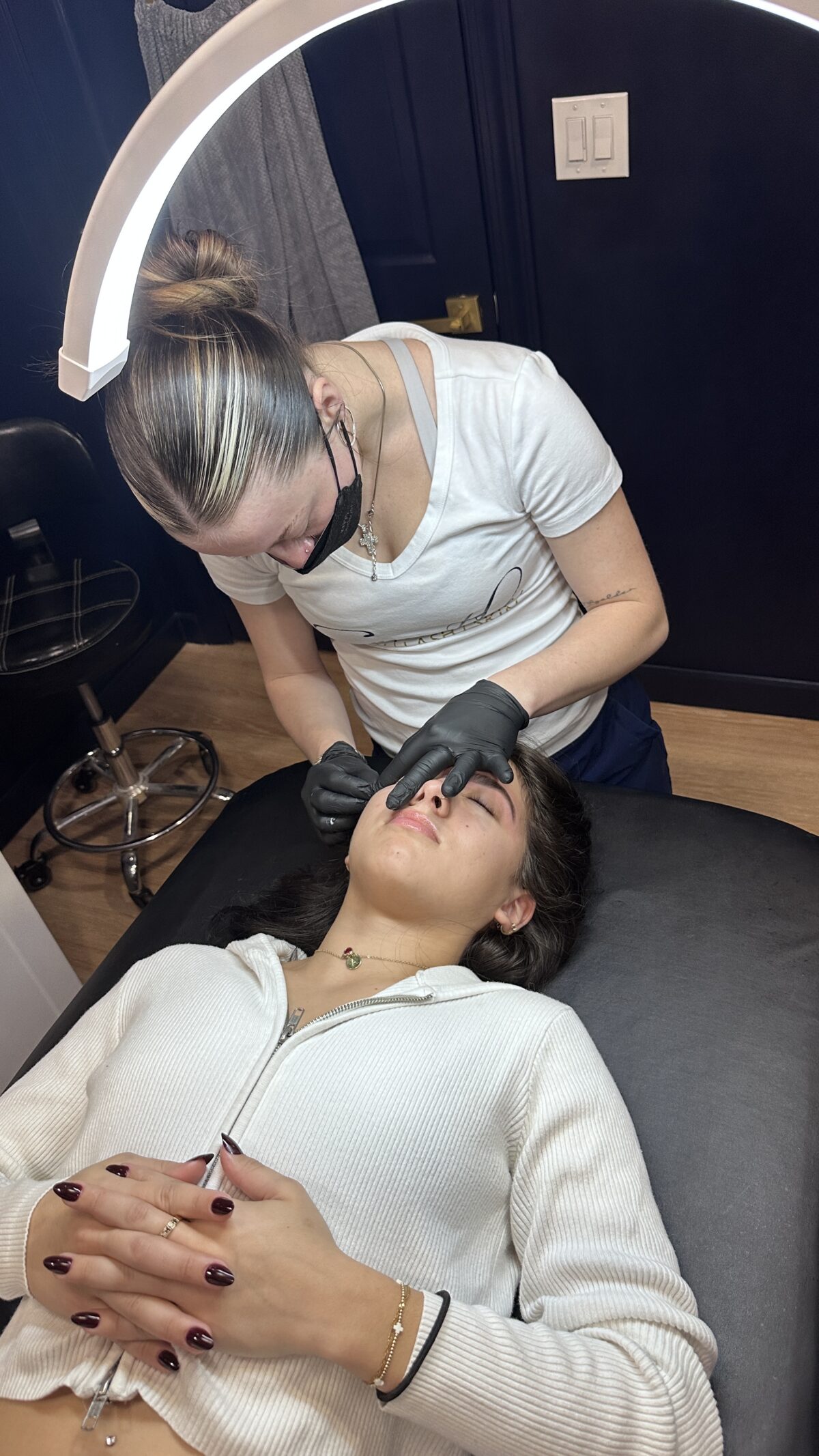
At Smoothe & Co., understanding skin tone and reactivity isn’t just a technical step. It’s essential for safe, effective treatment planning. The truth is, skin tone influences how skin responds to sun exposure, inflammation, exfoliation, and healing.
This guide explains what the Fitzpatrick skin type system is, why skin tone matters medically and cosmetically, why sunscreen is non-negotiable for every complexion, and how professional treatments must be tailored based on skin tone.
What Is the Fitzpatrick Skin Type Scale?
The Fitzpatrick Skin Type classification is a dermatological system developed to predict how skin responds to ultraviolet (UV) exposure. It categorizes skin into six types based on burning, tanning, and pigment response.
The Six Fitzpatrick Skin Types
Type I
- Very fair skin
- Always burns, never tans
- Often freckles
- Highest sun sensitivity
Type II
- Fair skin
- Usually burns, tans minimally
Type III
- Light-medium skin
- Sometimes burns, gradually tans
Type IV
- Olive or light brown skin
- Rarely burns, tans easily
Type V
- Brown skin
- Very rarely burns, tans deeply
Type VI
- Deeply pigmented skin
- Never burns, deeply pigmented baseline
The system helps professionals determine risk levels for sun damage, hyperpigmentation, and post-treatment reactions.
Clinical overviews from the American Academy of Dermatology emphasize that UV response varies significantly across skin types, which directly affects skincare planning.
Why Skin Tone Matters in Skincare and Treatment Planning
Skin tone isn’t just about color — it reflects how melanocytes behave. Melanin protects skin from UV radiation, but it also makes certain conditions more likely when skin becomes inflamed.
Inflammation Behaves Differently Across Skin Tones
Darker skin tones produce more melanin when irritated. This means even minor inflammation can trigger:
- Post-inflammatory hyperpigmentation (PIH)
- Dark spots after acne or injury
- Uneven tone after aggressive treatments
Lighter skin tones, by contrast, are more prone to:
- Redness
- Visible capillary damage
- UV burning
Understanding this difference is key to preventing unintended skin damage.
Why Everyone — Every Skin Tone — Needs Sunscreen
One of the most persistent myths in skincare is that darker skin tones do not need sunscreen. While melanin offers some natural UV protection, it does not prevent cumulative sun damage.
UV Exposure Affects All Skin Types
Ultraviolet radiation contributes to:
- Collagen breakdown
- Premature aging
- Hyperpigmentation
- Skin cancer risk
- Worsening of acne marks
Even when burning is unlikely, pigment cells respond to UV exposure by producing more melanin — which deepens discoloration.
Research summarized by the Skin Cancer Foundation confirms that all skin tones experience DNA damage from UV exposure, even when visible burning does not occur.
Sunscreen and Hyperpigmentation Prevention
For medium to deep skin tones, sunscreen is one of the most effective tools for preventing dark spots.
How Sunscreen Supports Even Skin Tone
- Prevents pigment overproduction
- Protects healing skin after treatment
- Reduces recurrence of melasma
- Preserves treatment results
Daily mineral SPF is especially helpful for sensitive or reactive skin.
Why Certain Treatments Must Be Adjusted by Skin Tone
Professional treatments work by stimulating controlled change in the skin: exfoliation, heat, or regeneration. But skin tone determines how safely those changes can occur.
Chemical Peels and Skin Tone Response
Chemical exfoliation removes damaged skin layers, but intensity must be customized.
Lighter Skin Types (I–III)
- Typically tolerate stronger exfoliation
- Lower risk of post-inflammatory hyperpigmentation
- Higher risk of redness or sensitivity
Medium to Deep Skin Types (IV–VI)
- Require gradual exfoliation
- Higher risk of pigment change if treated aggressively
- Benefit from melanin-safe peel formulations
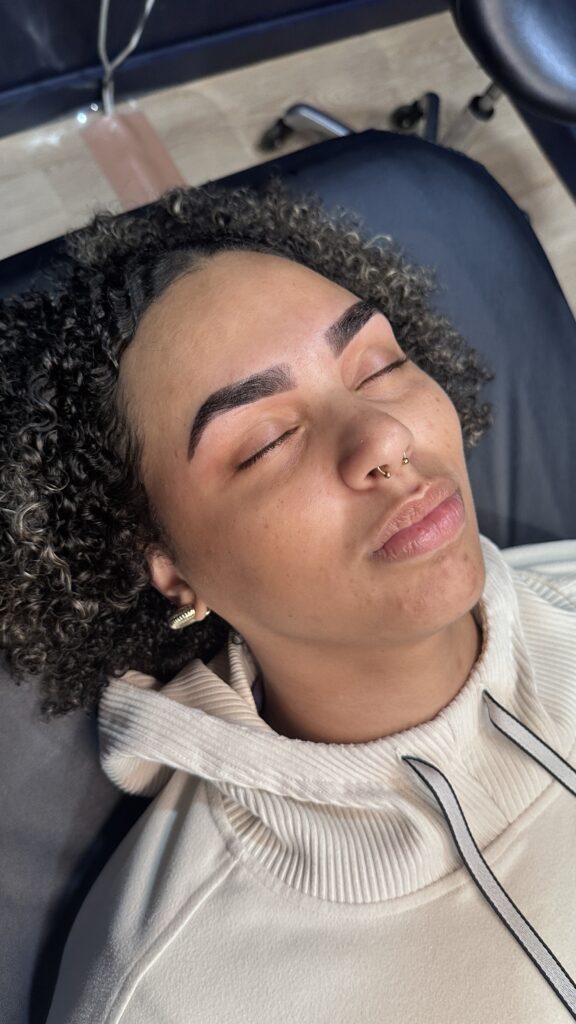
Laser, Light, and Heat-Based Treatments by Fitzpatrick Type
Devices that use light or heat must be selected carefully for safety.
Why Heat-Based Treatments Vary by Skin Tone
Melanin absorbs heat energy. Higher melanin levels mean higher heat absorption — which increases risk of burns or discoloration if energy levels are not adjusted properly.
Safer approaches may include:
- Lower energy settings
- Alternative wavelengths
- Non-thermal treatments
- Progressive treatment plans
This is why consultation and skin typing are critical before advanced treatments.
Acne Treatment and Skin Tone Considerations
Inflammation from acne can leave long-lasting pigment changes in many skin tones.
Acne Care for Deeper Skin Tones
Treatment focuses on:
- Controlling inflammation early
- Avoiding overly harsh exfoliation
- Supporting barrier repair
- Preventing post-inflammatory pigmentation
Acne Care for Lighter Skin Tones
Treatment often focuses on:
- Oil regulation
- Redness reduction
- Preventing scarring
Different concerns, different strategies — same goal of healthy skin.
👉 Internal link suggestion: Acne Treatments in Raleigh
Aging and Skin Tone: Differences in Visible Changes
Skin tone also influences how aging appears.
Lighter Skin Tones Often Show:
- Wrinkles earlier
- Sun spots
- Visible sun damage
Deeper Skin Tones Often Show:
- Uneven tone
- Loss of firmness
- Hyperpigmentation
- Volume changes
All skin types experience collagen decline — but visible signs vary based on melanin levels.
Scientific research from the National Institutes of Health shows UV exposure accelerates collagen breakdown across all skin tones, reinforcing the universal importance of sun protection.
Choosing the Right Skincare Based on Fitzpatrick Type
Personalized skincare respects how your skin naturally responds.
Core Recommendations for All Skin Types
- Daily mineral SPF
- Gentle cleansing
- Barrier-supporting hydration
- Professional consultation before advanced treatments
Customization Factors
- Exfoliation strength
- Treatment frequency
- Pigment control support
- Healing time expectations
At Smoothe & Co., treatment planning always begins with Fitzpatrick assessment to protect skin health first and enhance results second.
Why Professional Skin Assessment Matters
Online quizzes and general skincare advice cannot replace an in-person skin evaluation. Proper Fitzpatrick classification considers:
- Natural skin tone
- Sun exposure history
- Reaction to irritation
- Pigment behavior
- Treatment goals
This ensures treatments are effective, not reactive. Book your skin care consultation today!
The Takeaway: Skin Tone Is a Health Indicator, Not Just a Color
Understanding the Fitzpatrick skin type system helps explain why two people using the same product can have completely different results. Skin tone influences healing, pigmentation risk, treatment response, and aging patterns.
But one truth applies universally:
Everyone needs sun protection.
Everyone benefits from customized treatment.
Everyone deserves skincare that respects their biology.
When treatments are tailored to skin tone and response, results are safer, more predictable, and longer lasting.