Hormones and Skincare: Acne, Pregnancy-Safe Products & Aging

Hormones and Skincare: A Raleigh Esthetician’s Guide to Acne, Pregnancy-Safe Products, and Aging
At Smoothe & Co., we see it every day: clients doing “everything right” with their skincare but still struggling with breakouts, sensitivity, or sudden changes in texture. The common thread? Hormones.
Hormones influence oil production, inflammation, collagen breakdown, and even how your skin heals. Whether you’re navigating adult acne, pregnancy skincare concerns, or visible signs of aging, understanding the hormone–skin connection helps you choose treatments that actually work.
This guide explains what’s happening beneath the surface, and what you can safely do about it.
How Hormones Affect Skin Health
Hormones act like messengers telling your skin what to do. When they fluctuate, your skin responds quickly.
Hormones and Sebum Production
Androgens (like testosterone) stimulate oil glands. When levels rise or sensitivity increases, pores produce more oil, a major trigger for hormonal acne.
Estrogen and Skin Structure
Estrogen supports collagen, elasticity, and hydration. When estrogen declines (postpartum, perimenopause, menopause), skin becomes thinner, drier, and more prone to wrinkles.
Progesterone and Inflammation
Progesterone fluctuations can increase swelling and sensitivity, which explains why skin may feel reactive before a period or during pregnancy.
Common signs your skin changes are hormone-driven:
- Breakouts around chin and jawline
- Sudden dryness or sensitivity
- Increased pigmentation
- Changes tied to cycle, pregnancy, or age
Hormonal Acne in Adults: Causes and Treatment
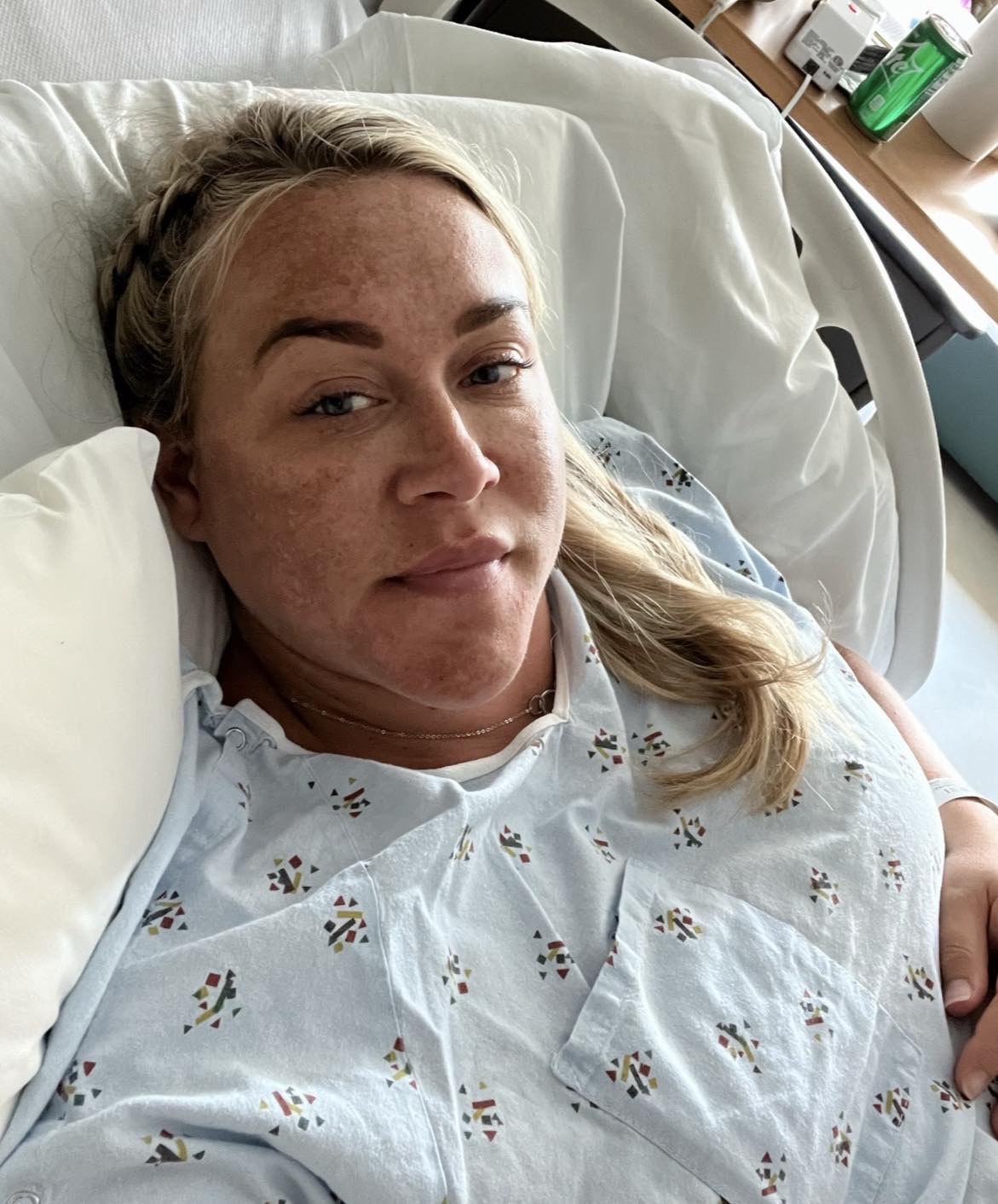
Hormonal acne isn’t just a teenage concern. Many adults experience persistent breakouts well into their 30s, 40s, and beyond.
What Causes Hormonal Acne
- Menstrual cycle shifts
- PCOS or endocrine imbalance
- Stress hormones (cortisol)
- Postpartum changes
- Perimenopause and menopause
Hormonal Acne Treatment Options
Gentle Professional Exfoliation
Chemical exfoliation helps clear clogged pores without aggressive scrubbing. Treatments like mandelic or lactic acid peels can reduce inflammation while supporting skin renewal.
Barrier-Supporting Skincare
When hormones increase oil production, many people over-dry their skin. This backfires and triggers more oil. Instead, focus on:
- Non-comedogenic hydration
- Anti-inflammatory ingredients
- Microbiome-supporting formulas
Ingredients That Help Hormonal Acne
- Azelaic acid
- Niacinamide
- Sulfur
- Salicylic acid (use appropriately if pregnant — see below)
Evidence-based guidance: The American Academy of Dermatology explains that adult acne is often hormone-linked and responds best to consistent, gentle treatment rather than harsh stripping products.
Pregnancy-Safe Skincare: What to Use and Avoid
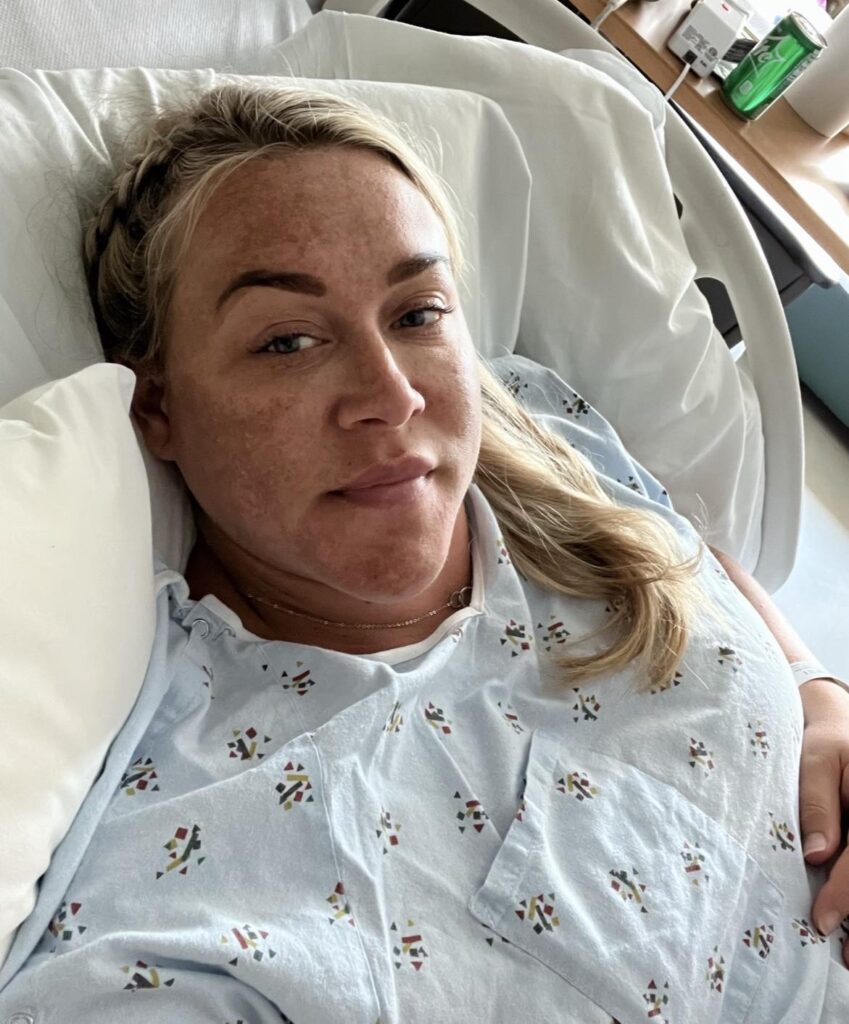
Pregnancy changes everything — including your skincare routine. Hormonal shifts increase oil production, pigmentation, and sensitivity, but some common acne and anti-aging ingredients are not recommended during pregnancy.
Why Skin Changes During Pregnancy
- Increased estrogen boosts pigment production (melasma)
- Progesterone increases oil output
- Circulation changes affect redness and sensitivity
Pregnancy-Safe Skincare Ingredients
These ingredients are widely considered safe for topical use during pregnancy:
✔ Hyaluronic acid
✔ Vitamin C
✔ Niacinamide
✔ Lactic acid (mild concentrations)
✔ Zinc oxide sunscreen
✔ Gentle enzyme exfoliation
These support hydration, brightening, and barrier health without systemic absorption concerns.
Ingredients to Avoid During Pregnancy
✘ Retinoids (retinol, tretinoin)
✘ Hydroquinone
✘ High-dose salicylic acid peels
✘ Certain essential oils
Guidance on ingredient safety is summarized by Parents, which emphasizes conservative topical choices during pregnancy.
Hormones and Skin Aging: Why Changes Accelerate
Many clients notice rapid changes in skin texture and elasticity during hormonal transitions — especially postpartum and during perimenopause.
Estrogen Loss and Collagen Decline
Estrogen supports collagen production. As estrogen decreases:
- Skin loses firmness
- Wrinkles deepen
- Hydration decreases
- Healing slows
Research summarized by the National Institutes of Aging shows collagen levels can decline significantly during menopause, affecting thickness and elasticity.
Signs of Hormonal Skin Aging
- Fine lines becoming deeper quickly
- Crepey texture
- Increased dryness
- Loss of glow
- Hyperpigmentation
Anti-Aging Skincare for Hormonal Changes
Treating hormonally influenced aging requires strengthening skin structure and supporting regeneration.
Professional Treatments That Support Aging Skin
Collagen-Stimulating Facials
Facials designed to boost circulation and cell turnover help restore resilience and glow.
Gentle Chemical Peels
Light peels improve texture and pigment without excessive inflammation.
LED Therapy
Red light therapy supports healing and collagen activity. Here at Smoothe & Co., we offer Celluma as an add-on to any skincare treatment.
Daily Skincare Routine for Hormone-Affected Skin
Morning Routine
- Gentle cleanser
- Antioxidant serum (vitamin C or niacinamide)
- Hydrating moisturizer
- Broad-spectrum mineral SPF
Evening Routine
- Cleanser
- Target treatment (acne-safe or pregnancy-safe option)
- Barrier repair moisturizer
Consistency matters more than intensity. Hormonal skin responds best to calm, predictable routines.
Lifestyle Factors That Influence Hormonal Skin
Skincare products help, but hormones are also influenced by daily habits.
Stress Management
Chronic stress raises cortisol, which increases oil production and inflammation.
Sleep Quality
Skin repair happens overnight. Hormonal balance depends on consistent sleep cycles.
Nutrition
Balanced blood sugar supports hormonal stability and reduces inflammatory acne triggers.
When to Seek Professional Guidance
If your skin changes suddenly or feels unpredictable, professional assessment can identify triggers and create a personalized plan.
You may benefit from expert treatment if you experience:
- Persistent adult acne
- Pregnancy-related skin concerns
- Rapid aging changes
- Sensitive, reactive skin
- Hyperpigmentation linked to hormones
At Smoothe & Co., treatments are customized for hormonal skin at every stage of life — from postpartum recovery to mature skin support.
Book a Skincare Consultation in Raleigh
The Takeaway: Your Skin Is Listening to Your Hormones
Hormonal changes are normal — but confusion about how to respond doesn’t have to be. Whether you’re managing acne, protecting skin during pregnancy, or navigating age-related changes, the key is choosing treatments aligned with what your body is doing internally.
With the right support, hormonal skin can become balanced, resilient, and healthy again.