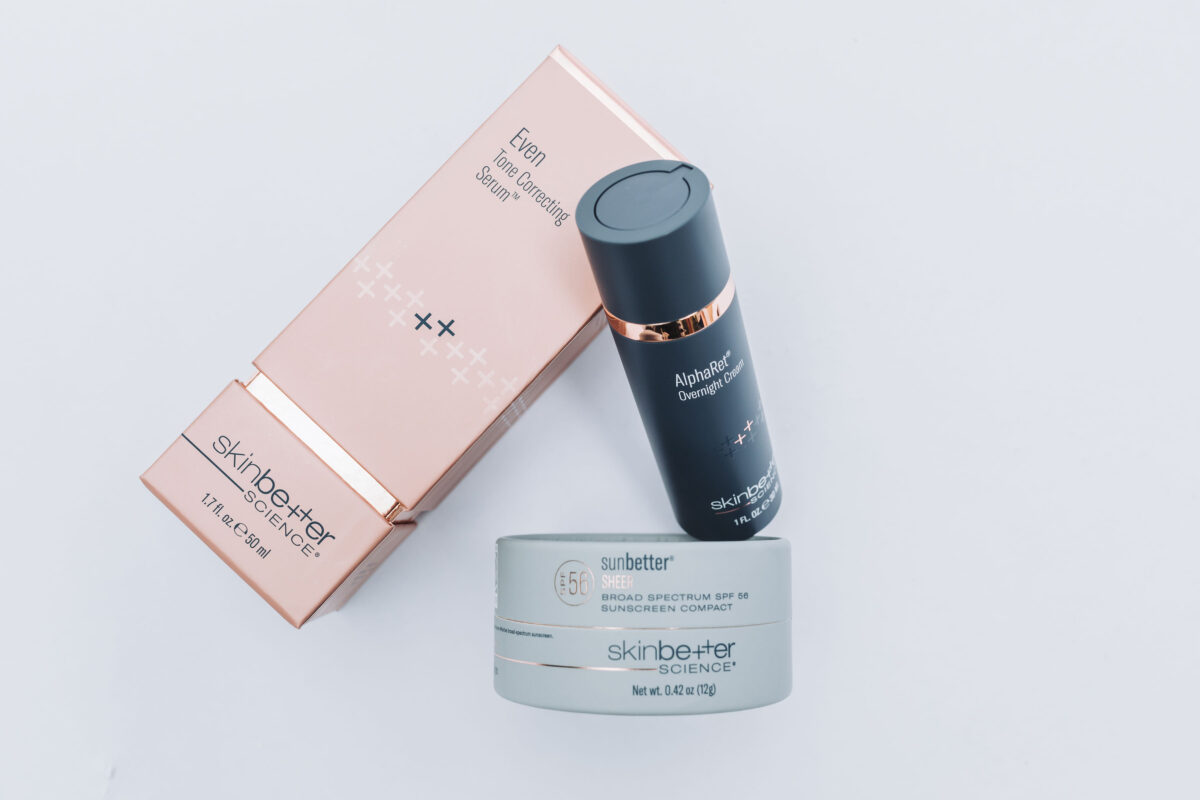
Why You Need to Change Up Your Skincare Routine Throughout the Year

At Smoothe & Co., we believe that skincare is a journey, not a one-time fix. While in-spa treatments provide professional-level transformations, what you do at home between visits is just as important. If you want to take your skin to the next level and qualify for more advanced treatments, keeping up with your routine is non-negotiable.
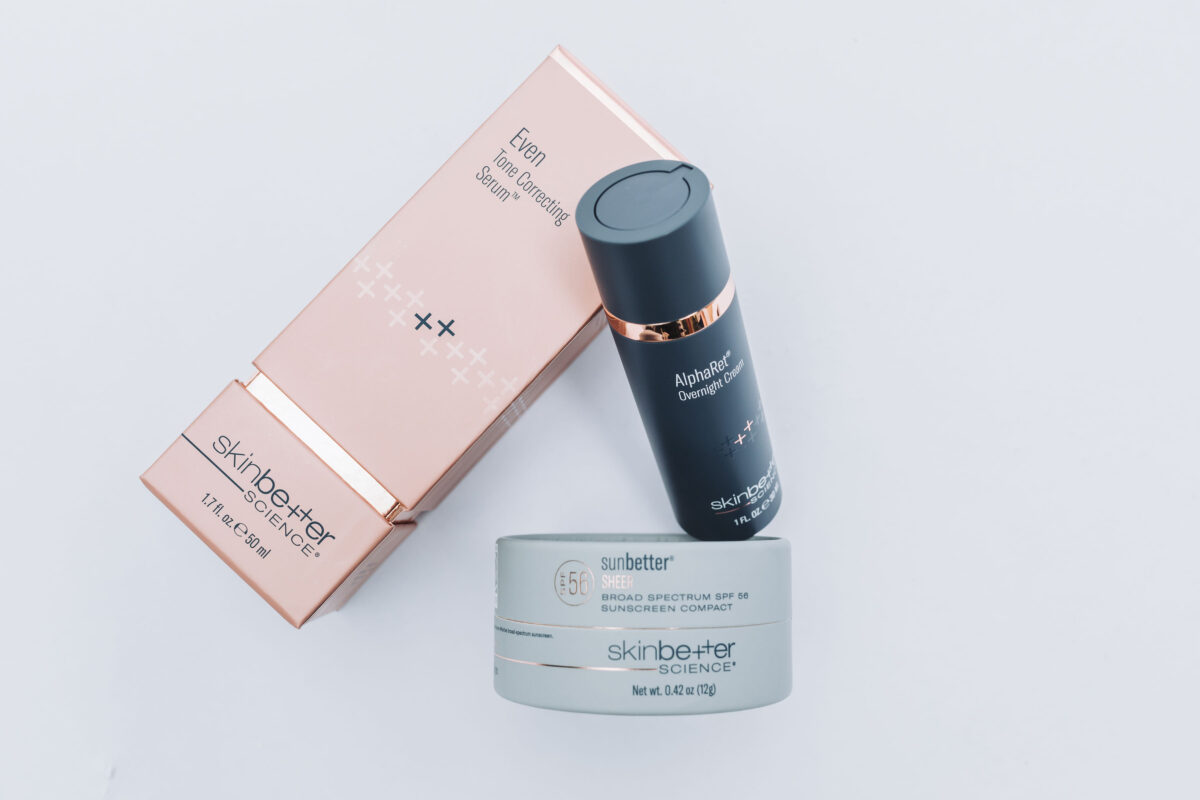
Why Everyone—Regardless of Skin Tone—Needs a Tyrosinase Inhibitor

When it comes to skin health and an even complexion, one ingredient that everyone—regardless of ethnicity, skin tone, or Fitzpatrick type—should be using is a tyrosinase inhibitor. Whether you have fair, medium, deep, or rich skin tones, hyperpigmentation, dark spots, and uneven skin tone can be a concern. That’s where tyrosinase inhibitors come in.

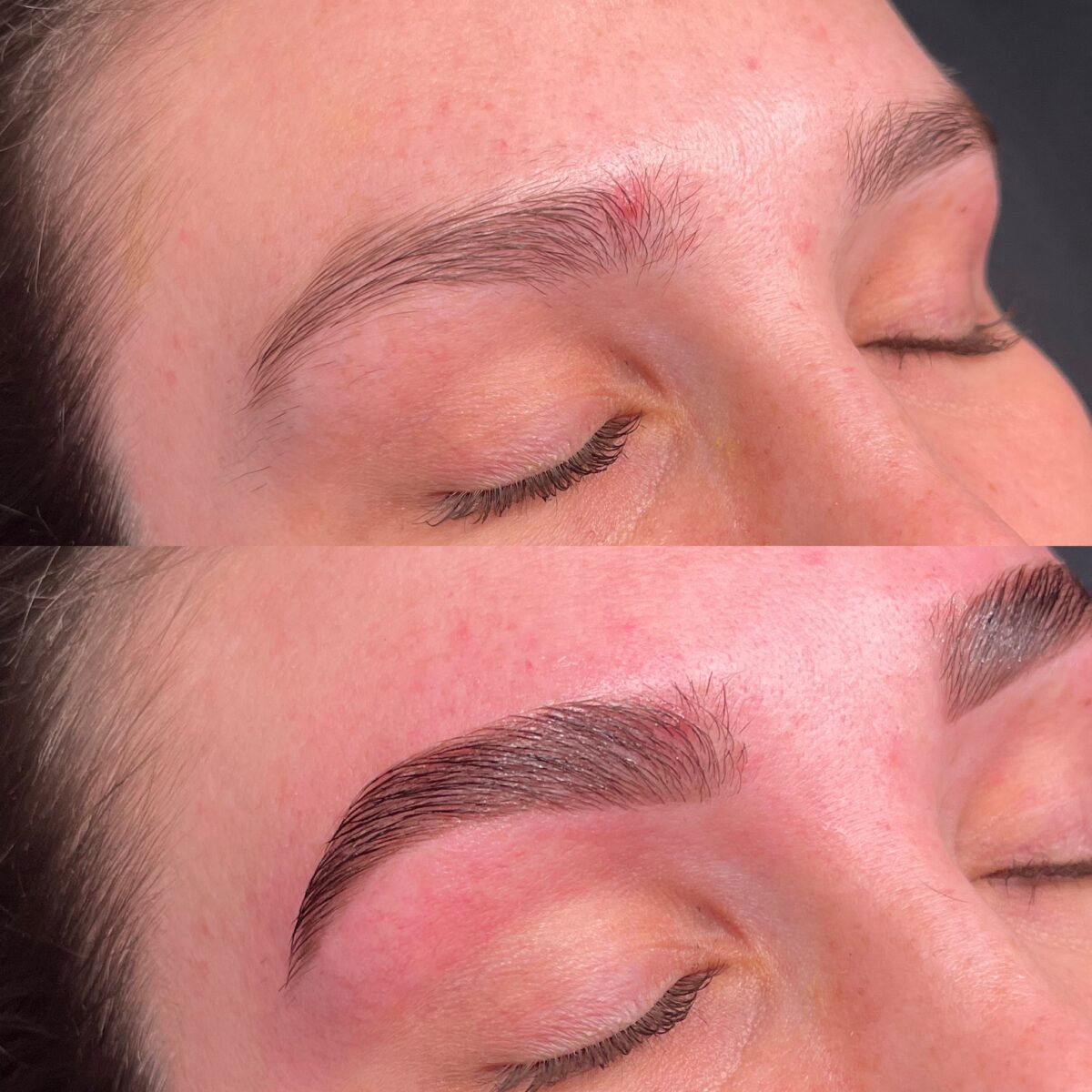
Wax On, Stress Off: Smooth Skin Made Easy

Waxing is more than just a beauty routine—it’s a confidence booster and a self-care ritual that can make you feel your best. At Smoothe & Co., we believe that waxing should be stress-free and tailored to your unique needs. Whether you’re a first-timer or a seasoned pro, our expert estheticians make the process smooth, quick, and as comfortable as possible.

Introducing Our Newest SPF Line: ColorScience

t Smoothe & Co., we only bring in products we truly believe in—and our owner, Lindsey, has been using ColorScience for over three years and has completely fallen in love with the brand. From its tinted SPF formulas that double as makeup to its lightweight, skin-nourishing ingredients, ColorScience is a game-changer for anyone who values skincare and sun protection.

Understanding Acne: Causes, Treatments, and Prevention

Acne isn’t just a teenage problem—it’s a skin condition that can persist into adulthood, affecting up to 50 million people in the U.S. annually. Let’s explore the science behind acne and the proven treatments to manage it.Acne is a chronic inflammatory skin condition that occurs when hair follicles become clogged with oil, dead skin cells, and bacteria. While genetics, hormones, and lifestyle play significant roles, the underlying causes are tied to four primary factors.