Understanding Acne: Causes, Treatments, and Prevention

Acne isn’t just a teenage problem—it’s a skin condition that can persist into adulthood, affecting up to 50 million people in the U.S. annually. Let’s explore the science behind acne and the proven treatments to manage it.
What Is Acne, and Why Does It Happen?
Acne is a chronic inflammatory skin condition that occurs when hair follicles become clogged with oil, dead skin cells, and bacteria. While genetics, hormones, and lifestyle play significant roles, the underlying causes are tied to four primary factors:
- Excess Sebum Production: Overactive sebaceous glands produce too much oil, leading to clogged pores.
- Abnormal Shedding of Skin Cells: Skin cells can accumulate instead of naturally shedding, further blocking pores.
- Bacterial Overgrowth: Cutibacterium acnes (formerly Propionibacterium acnes), a bacteria naturally present on the skin, multiplies in clogged pores, triggering inflammation.
- Inflammation: The body’s immune response to bacterial growth and blocked pores causes redness, swelling, and discomfort.
Clinical Facts About Acne
- Hormonal Influences: Androgens (male hormones present in both men and women) can increase during puberty, menstrual cycles, or stress, leading to higher sebum productionietary
- Triggers: Studies suggest that high-glycemic-index foods and dairy products may exacerbate acne by increasing insulin-like growth factor 1 (IGF-1), which stimulates sebum production.
- Skin Barrier: Chronic stress increases cortisol levels, which weakens the skin’s barrier function and triggers inflammation.
Acne and The Characteristics
Understanding your acne type is crucial for effective treatment:
- Comedonal Acne (Blackheads and Whiteheads): Non-inflammatory and caused by clogged hair follicles.
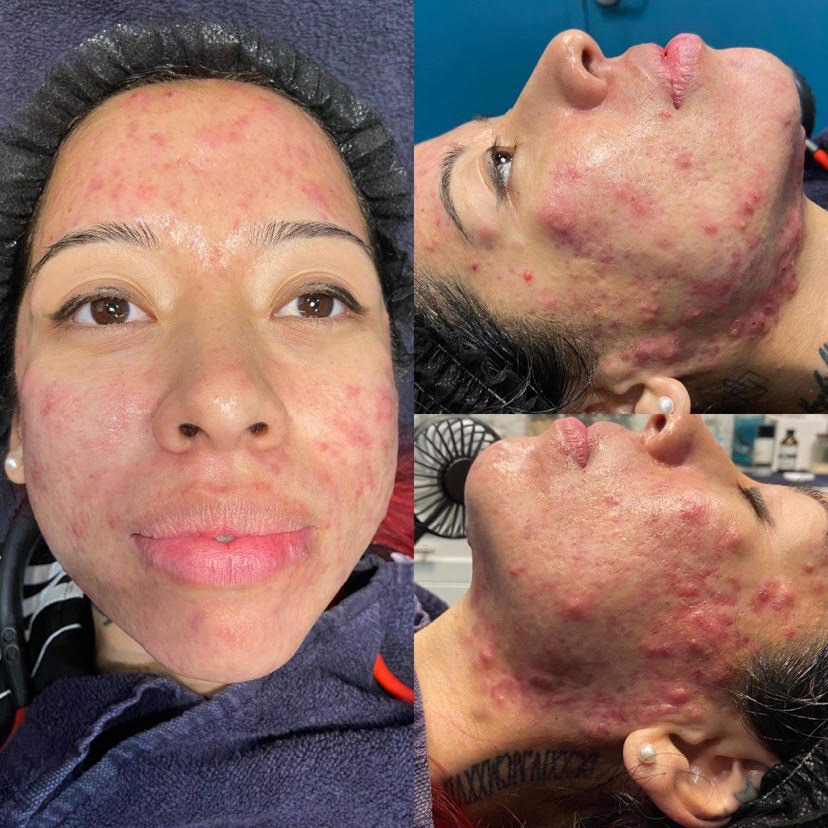
- Papules and Pustules: Red, inflamed spots, sometimes filled with pus.
- Nodules and Cysts: Severe, painful lumps deep in the skin, often requiring professional treatment.
Evidence-Based Treatments for Acne
Modern dermatology offers multiple evidence-backed solutions to treat acne. At Smoothe & Co., we combine these clinical insights with personalized care.
- Topical Treatments:
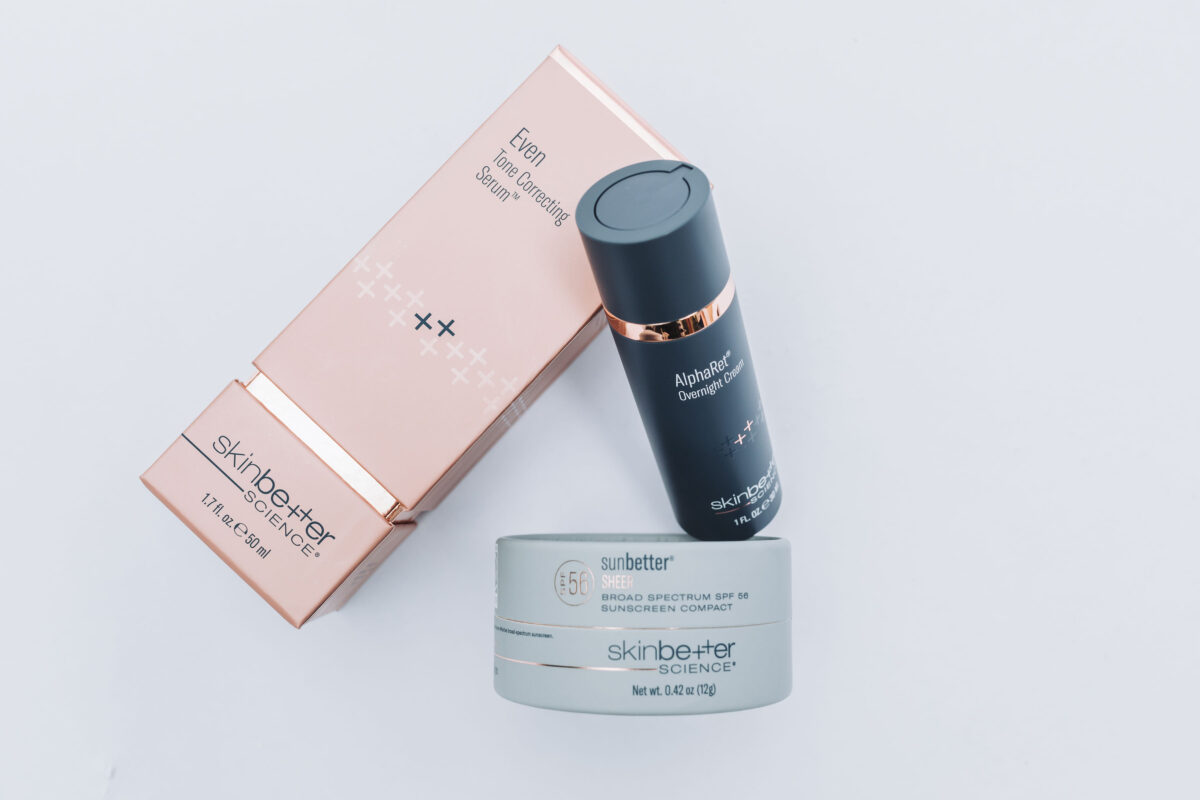
- Retinoids (AlphaRet): Promote skin cell turnover to prevent clogged pores.
- Salicylic Acid: A beta hydroxy acid (BHA) that exfoliates and clears pores.
- In-Office Procedures:
- Chemical Peels: Proven to improve post-inflammatory hyperpigmentation (PIH) and reduce active breakouts.
- LED Light Therapy: Blue light targets acne-causing bacteria, while red light reduces inflammation and stimulates healing.
- Microneedling: Encourages collagen production to minimize acne scars.
- Oral Medications (Prescribed by Dermatologists):
- Antibiotics: Reduce bacteria and inflammation.
- Isotretinoin (Accutane): A powerful option for severe or resistant acne. (We typically do not recommend these to our clients as we it is just a bandaid to the problem).
How to Prevent Acne: Evidence-Based Tips
- Cleanse Gently: Use a pH-balanced, non-comedogenic cleanser twice daily to remove excess oil and bacteria without stripping the skin.
- Choose the Right Products: Opt for non-comedogenic and fragrance-free skincare to avoid clogging pores or irritating sensitive skin.
- Stay Hydrated and Eating Clean: Hydration supports healthy skin function and may reduce oil production. Eating fast food and unhealthy foods may trigger your acne to flare, choosing a healthy, balanced diet and creating a food journal will help in your journey.
- Avoid Picking or Popping: Popping pimples can introduce bacteria, worsen inflammation, and lead to scarring.
Why Smoothe & Co. Is Your Acne Partner
At Smoothe & Co., we take a science-backed approach to acne treatment. Our experienced Providers will assess your skin, identify the underlying causes of your acne, and create a tailored treatment plan to restore your skin’s balance and confidence. Acne can not be cured, but it can be treated. Let our team help!
Don’t let acne hold you back—schedule your consultation today to take the first step toward clear, healthy skin.