
FAQs
Bikini Waxing

It’s difficult to say how much discomfort or pain you may feel since everyone’s threshold for pain varies. However, we make the entire process stress-free, easy, and comfortable. You may feel more discomfort during your first wax but, rest assured that they get easier as you go, and you’re left with silky smooth skin for weeks!
No. You should wait 24-48 hours to be intimate!
Hair should grow to at least ¼ inch long. (About the size of a long grain of rice). You should exfoliate 48 hours before your appointment and shower the day of. If you are on your cycle, please insert a clean, fresh tampon or menstrual cup.
During your Brazilian wax, you’ll be on your back with your legs in the butterfly position with your feet together, heel to heel. To wax the butt strip, you will be asked to hold behind your knees and pull your legs back into your chest so that we have better access to the area.
Absolutely not! We are your hype woman during a Brazilian! We keep the conversation flowing while waxing to ensure you’re comfortable. The exchange also helps to distract you.
No! Hair must grow out for at least two/three weeks and be approximately ¼ inch long to wax. Do not trim the area before coming in.
After your wax, you may expect some redness, pinpoint bleeding, or tenderness around the area. This is entirely normal and should subside in one to two days. Make sure you are keeping the site clean and dry. Any moisture or bacteria can cause an adverse reaction.
It can never be too long! The ideal length is a month’s worth of growth for optimal results.
Brazilian wax is a fast, easy process and usually takes about 15-20 minutes!
You should get waxed every 4-6 weeks for optimal results. The hair starts to reroot any longer than six weeks, causing a more uncomfortable experience. A consistent wax schedule is vital to ensure we get your hair on the same growth schedule for smoother, more long-lasting results.
It doesn’t get softer, but it does start thinning and growing less and less the more you wax.
Hair follicles go through three growth phases.
The first phase, the anagen phase, is responsible for hair length. The length of the anagen phase is based on genetics, but it can also be affected by hormones and stress levels. The anagen phase lasts three to five years for head hair and a couple of weeks for pubic hair.
The longer the anagen phase, the longer the hair grows.
Hair around the anus is normal.
The distribution of hair, including on the genitals, is often due to genetics, and most people have it! The butt strip is a crowd-pleaser and is the least painful strip. You will likely be more uncomfortable raising your legs for us to lay the strip than the discomfort of the removal process.
We offer a variety of services at Smoothe & Co., so it truly depends on the day.
Hypothetically, we could fit 16 Brazilians into an eight-hour day if that was the only treatment we performed that day.
We are averaging about 80 Brazilians per week for a full-time employee. We hope this shows you how comfortable we are with our chosen career path.
People have been removing hair from their bodies for centuries. Ancient Egyptians considered pubic hair indecent, so they invented sugaring and waxing. In ancient Rome, a hairless pubis was a status symbol. Pumice, tweezers, and a special depilatory cream of resin, goat bile, viper venom powder, and bat blood were used to achieve smoothness. Pubic hair trimming was not in fashion in Europe until the late 1900s. In America, the first waxing salon opened in 1987. The technique gained popularity and is referred to as Brazilian waxing.
Remember, the amount of hair you want to remove is optional and up to you as the owner.
General Waxing
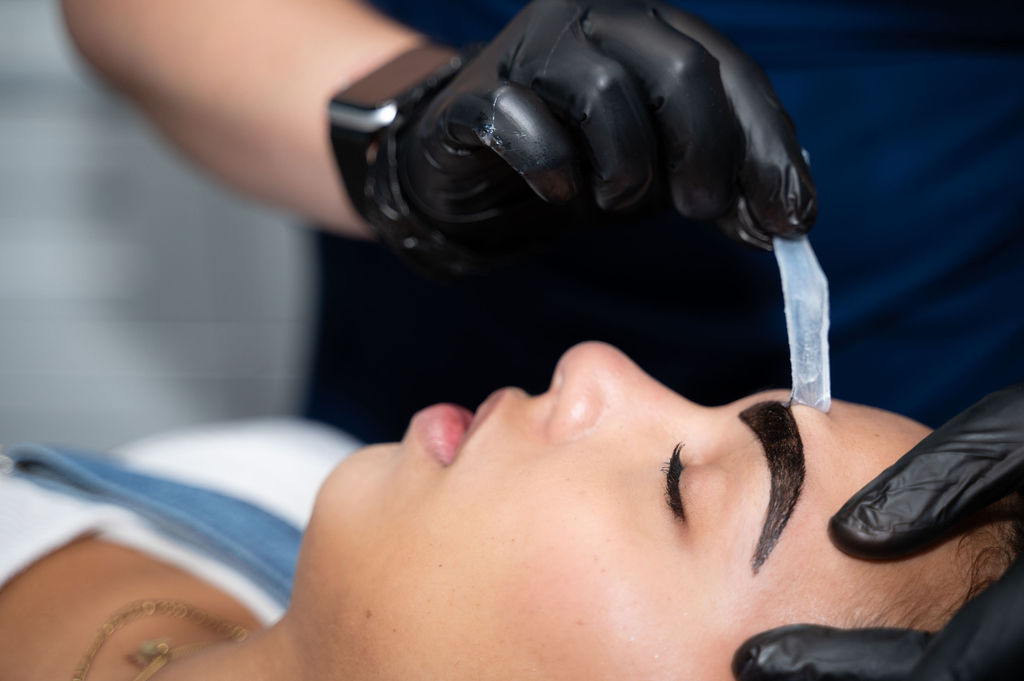
Exfoliation is important because it removes the top layer of dead skin, allowing the new hairs to grow through the skin’s surface quickly. Moisturizing conditions the skin and hairs to keep skin healthy and hydrated after exfoliation.
Makeup should be avoided for 24-48 hours since pores need time to heal after waxing. The same rules apply to deodorant as it clogs your pores. Introducing products like these can cause irritation and have adverse effects.
Consistent waxing every 4-6 weeks results in thinner, finer hairs that grow slowly over time. Shaving yields quick results but it bluntly cuts the hair off at the skin's surface and irritates the skin immensely, creating inflammation and ingrown hairs.
No. Since vitamin A products increase cell turnover and thin the skin, waxing is unsafe due to the risk of skin lifting. Discontiune use of these products 7-10 days before a waxing treatment.
Brow Lamination
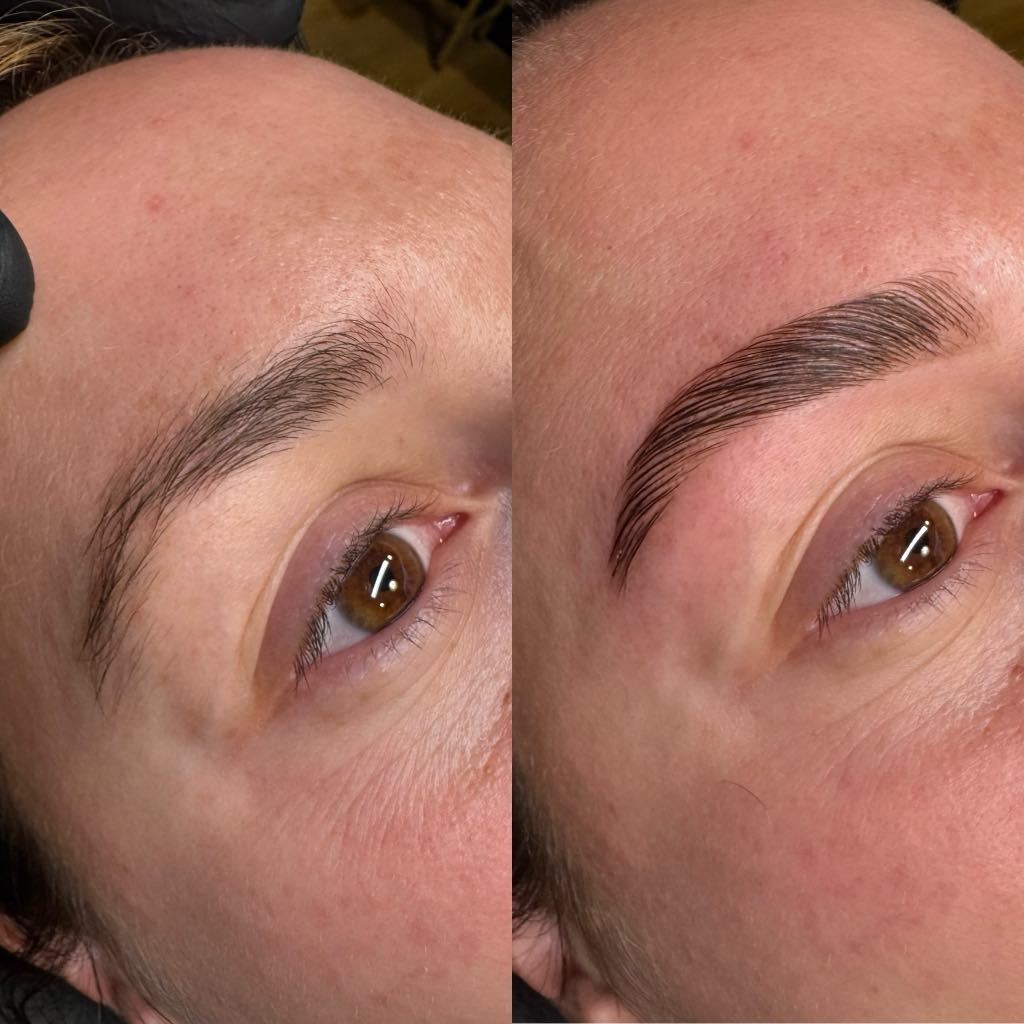
Eyebrow Lamination tames, sculpts, and lifts unruly brow hairs into the ideal shape.
Laminated brows typically last 4-6 weeks, depending on the aftercare level and hair growth rate.
No. If you have a lamination done correctly, you shouldn’t be losing any brow hair other than the natural progression of your hairs’ shedding cycle.
People who are in the first trimester of pregnancy and people with sensitive skin, Eczema/Psoriasis, active sunburns, or recent eye surgeries. We do require clearance from your doctor if you are pregnant.
Yes, but it may not give the desired effect. For example, people with thick brows are better candidates for lamination because it offers a fuller, more sculpted look.
Lash Lift
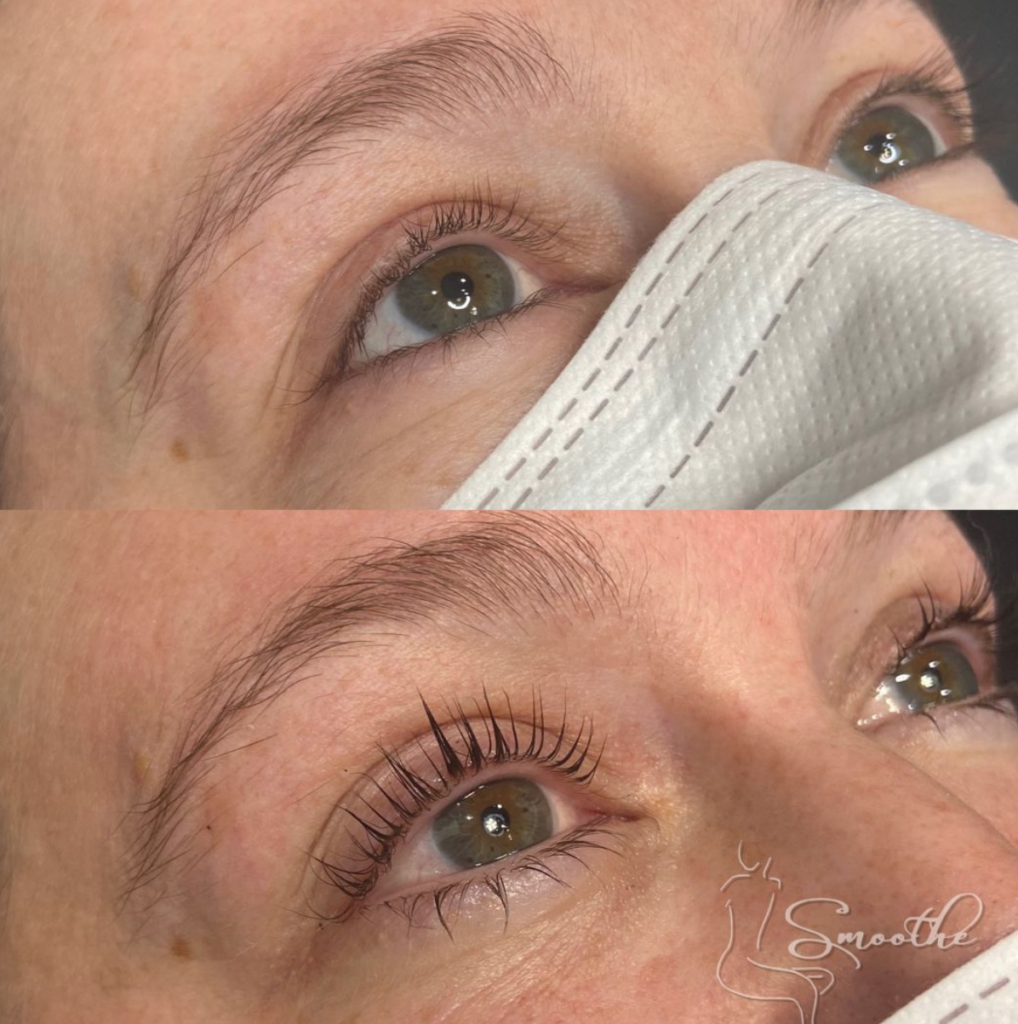
Keratin Lash Lift is a treatment for lashes designed to infuse each lash with keratin, making them thicker, stronger, and more hydrated while lifting and curling them to look their longest!
It can last 6-8 weeks.
Following your lash lift, you should avoid wearing mascara for 24-48 hours. After that time frame, you can resume wearing eye makeup and mascara like normal.
You should avoid sleeping on your face, getting your lashes wet for 48 hours, and using an oil-free makeup remover.
You should pre-book for every 6-8 weeks. Lashes must all be uncurled before we can re-lift them.
After your lash lifts, you should avoid sleeping on your side or front to avoid unintentionally bending of your lashes.
Excessive eye watering will cause lashes not to lift. Therefore, clients with watery eyes shouldn’t book a lash lift.
Skin Classic
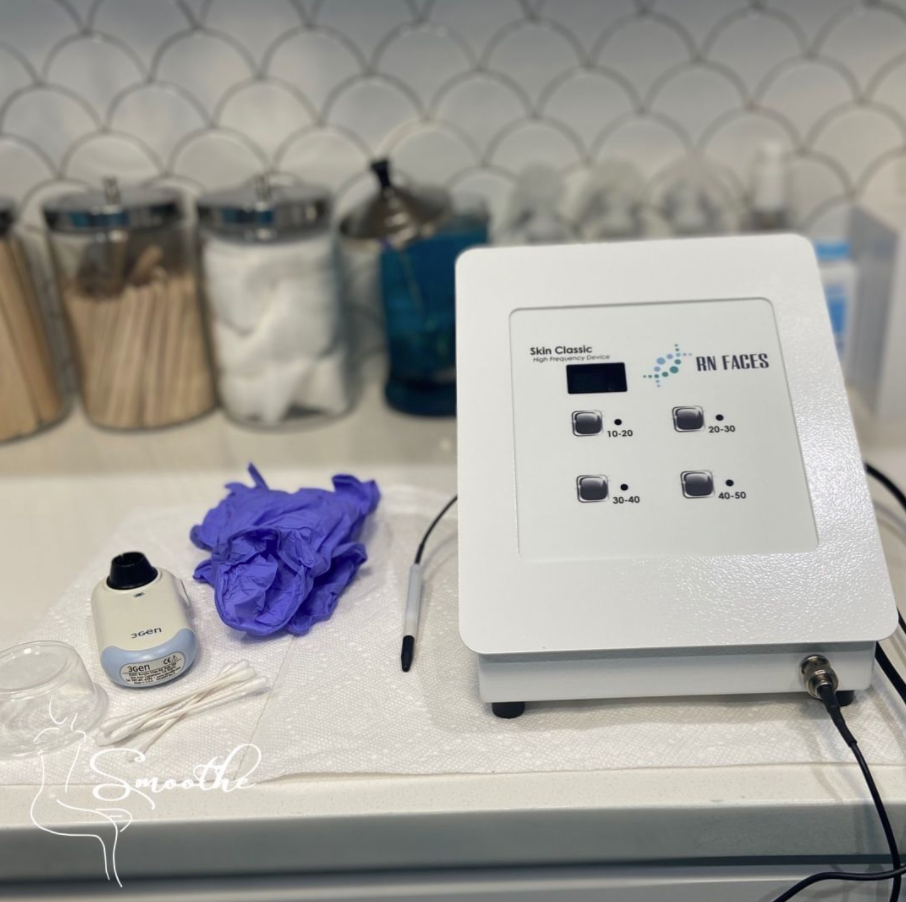
The skin classic is a high-frequency machine that can treat minor skin irregularities such as cherry angiomas, skin tags, keratosis, fibromas, broken capillaries, hyperpigmentation, sebaceous hyperplasia, milia, telangiectasis, and acne pimples or blackheads.
Depending on the size and location of the irregularity, it can take anywhere from 7-14 days to fall off and up to 30 days to heal completely.
The skin classic treatment uses natural high frequency to dry out skin irregularities, making them fall off.
Yes! Skin classic can treat sebaceous hyperplasia by dehydrating the irregularity of the skin. After using the skin classic on the irregularity, it will naturally slough (fall off).
Dermaplane
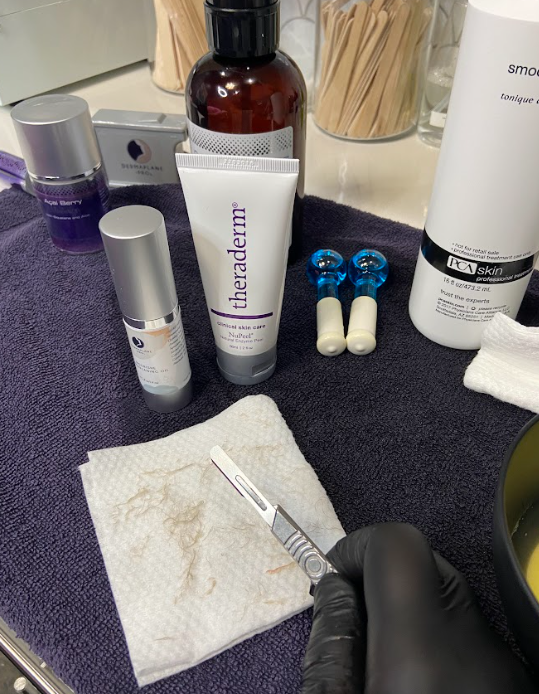
Increased cell turnover, fewer wrinkles and dark spots, and reduction of acne scarring.
Yes, because dermaplaning exfoliates and exposes new skin cells, the cell turnover rate increases, resulting in anti-aging effects.
It is not recommended to dermaplane yourself. Most at-home dermaplane tools only shave the vellus hairs on the face and do not exfoliate, which is the primary purpose of dermaplaning. In addition, the risk of injury to the skin with a single-blade razor could result in long-term damage, such as hyperpigmentation and scarring.
The results of dermaplaning are immediate for hydrated and younger-looking skin. These results last about four weeks.
Dermaplaning should not be performed on clients with acne grades three and above, clients with active breakouts, or clients who have been on acne medication such as Accutane in the last 12 months. In addition, clients with cold sores, bleeding and clotting disorders, or clients undergoing cancer treatments are not candidates for dermaplaning.
Dermaplaning itself has no downtime! As with any other facial, please refrain from sweating, steaming, exfoliating, and sun exposure for 48 hours. For longevity, use an oil-free makeup remover.
Removing vellus hair during treatment can change the type of hair being released. Therefore, dermaplaning is not advised in areas where clients have grown out thicker/terminal hair.
No. Dermaplaning is a treatment designed to exfoliate the skin; a byproduct is the surface removal of vellus hairs.
Dermaplaning facials remove built-up dead/ dry skin on the face and vellus hairs (peach fuzz), allowing for better product absorption. In addition, dermaplaning can intensify your active products, such as retinol, glycolic acids, and other chemical exfoliants.
Microneedle
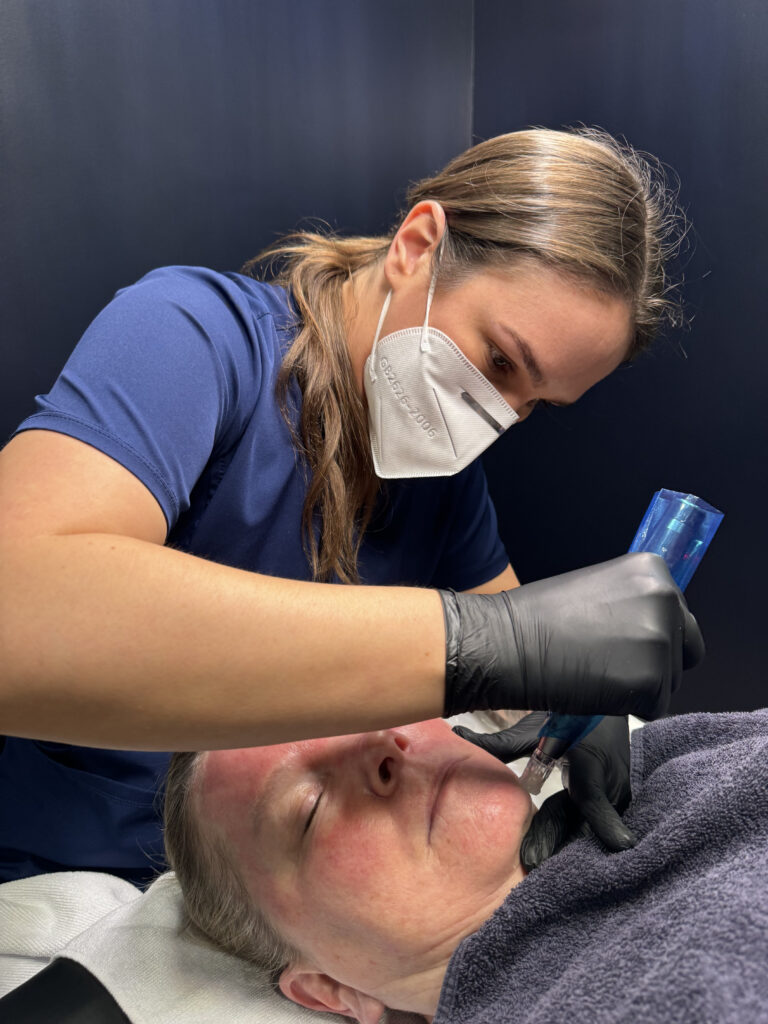
Microneedling uses a pen-style device to deliver precise micro-wounds to the skin. By doing this, the skin is stimulated to repair itself by producing new collagen.
You will likely remain flushed with a “sunburn” sensation for 24-48 hours after treatment. Following microneedling, the skin may flake for up to seven days, a sign that cells are turning over and regenerating. (It’s a good thing!)
DO APPLY sunscreen daily, keep skin hydrated and moisturized, and avoid direct sun exposure as the skin can be more sensitive.
DON'T restart the use of topical treatments and active products until seven days after treatment; DON't go to the gym, sauna, or pool for 24-48 hours after treatment.
From applying cleansing and numbing cream to completing the treatment and discussing aftercare, plan for up to an hour for a microneedling appointment.
Facial
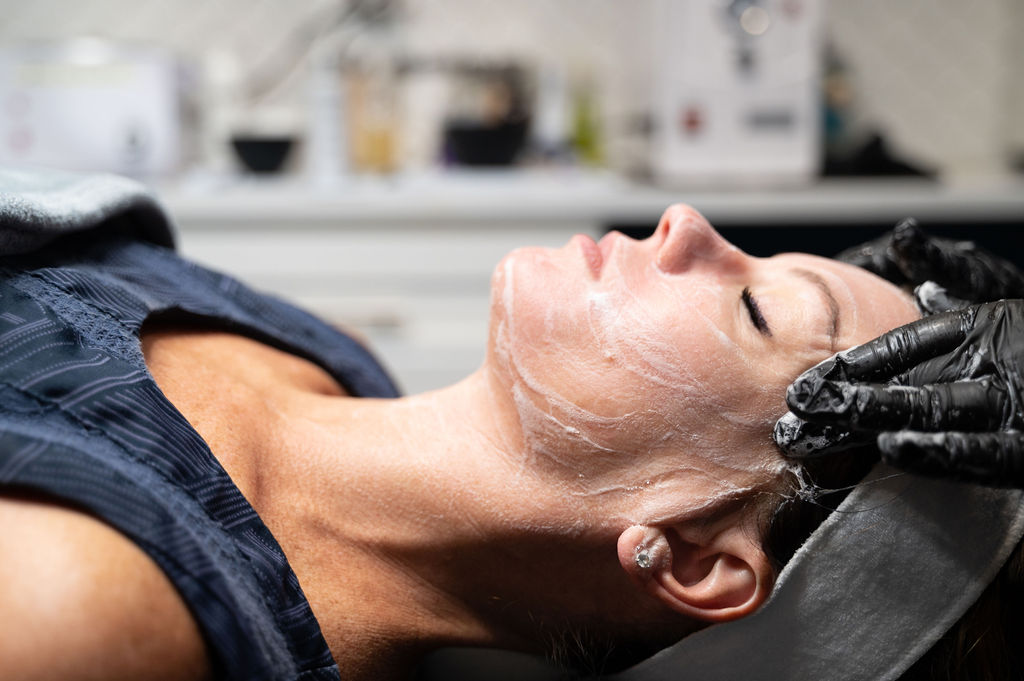
Monthly for best results. Every other week for acneic clients is recommended. If that’s not possible, then quarterly (with the season changes) is also good!
Yes. Coming to your appointment makeup free will give you the full benefits of the facial!
No, not all of our facials include extractions but many of them do.
Your provider will go over the specific instructions for your needs and skin.
Of course! We love helping clients formulate a new skincare routine. Facials are essential but keeping up with at-home regimens is equally as necessary for your skin! Don't worry, we will be with you every step of the way.
Microdermabrasion
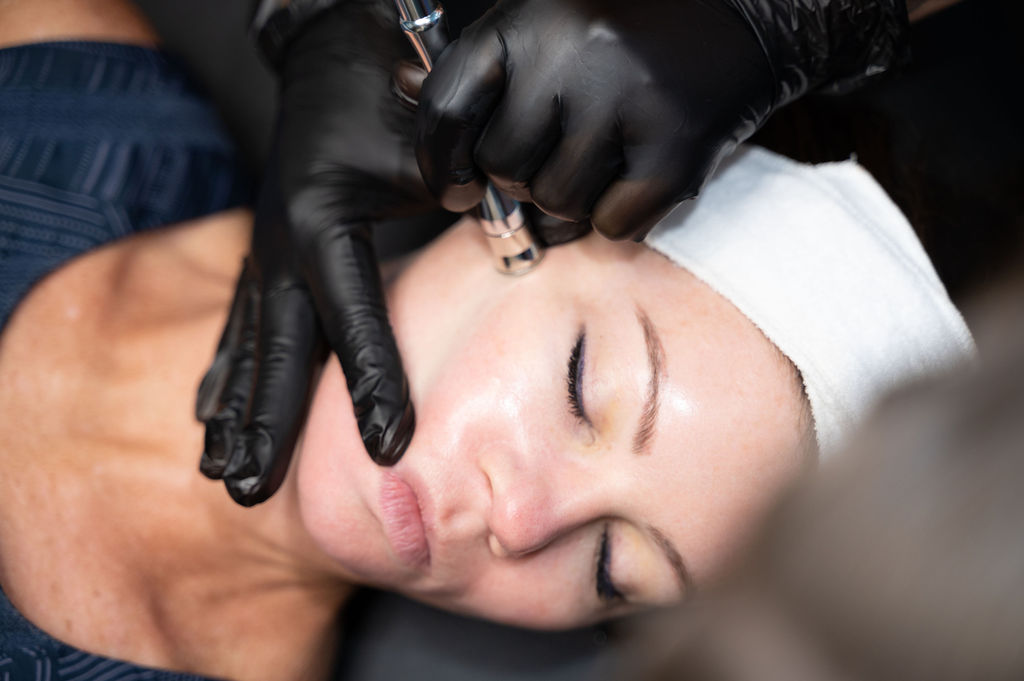
Microdermabrasion is specifically developed to target fine lines, age spots, acne scars, stretch marks, dull complexions, uneven skin texture, and enlarged pores.
You may notice some redness immediately following your treatment that should subside within a day or two.
Like most facials and superficial skincare treatments, microdermabrasion has little to no downtime.
Immediately following your treatment, you should avoid touching your face, prolonged sun exposure, and physical activity for 24-48 hours. After that, you may cleanse and moisturize your face but avoid harsh toners, exfoliators, or other active ingredients while your skin heals. You should also always wear UV protection.
Although microdermabrasion is safe, the treatment is inadvisable for clients with:
- Mild to severe acne
- Rosacea
- Active cold sores
- Eczema, psoriasis, ringworm, or any other rash