
Seasonal Skincare: Preparing for Humid Summer Months

Seasonal skincare tips are essential for keeping skin balanced and healthy as we transition into summer. Changes in humidity, temperature, and sun intensity can disrupt your usual routine, making adjustments critical to prevent breakouts, irritation, and premature aging.

Why Skin Needs Seasonal Adjustments
Your skin is constantly responding to its environment, which is why it cannot thrive on the exact same skincare routine year-round. Seasonal changes directly affect the skin’s barrier function, oil production, hydration levels, and sensitivity.
As temperatures rise and humidity increases, the skin produces more oil to protect itself. At the same time, heat and sun exposure increase water loss through the skin in a process called transepidermal water loss (TEWL). This means skin can feel oily on the surface while still being dehydrated underneath.
In addition, UV exposure becomes more intense in the warmer months. UV radiation not only accelerates collagen breakdown but also triggers inflammation and pigmentation pathways in the skin. Without adjusting products and protection levels, this combination of oil, dehydration, and UV stress can lead to congestion, breakouts, uneven tone, and premature aging.
Seasonal allergies, increased sweating, and exposure to environmental pollutants further stress the skin barrier. When the barrier is compromised, skin becomes more reactive, sensitive, and prone to irritation. Adapting your routine helps support the barrier so the skin can regulate itself more efficiently.
Adjusting Your Skincare Routine
Transitioning into summer doesn’t mean using fewer products—it means using smarter ones.
Lighter moisturizers and gel-based formulas help maintain hydration without clogging pores. Ingredients like hyaluronic acid draw water into the skin, while antioxidants such as vitamin C and niacinamide protect against free radical damage caused by sun and pollution.
Exfoliation also becomes more important during warmer months. Increased oil and sweat can trap dead skin cells, leading to congestion and dullness. Gentle chemical exfoliants help keep pores clear and improve product absorption without disrupting the skin barrier.
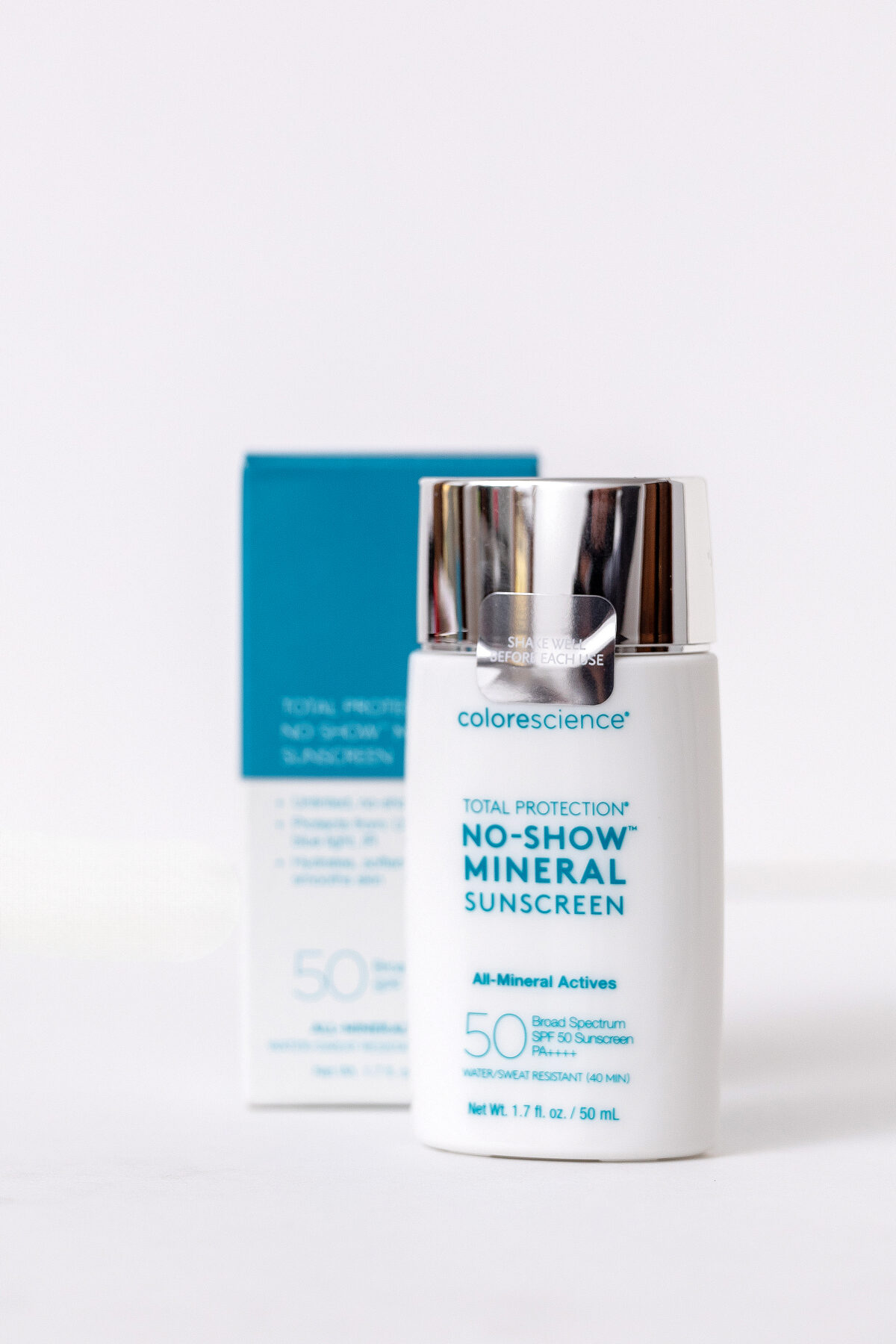
Sun protection should be a daily non-negotiable. Broad-spectrum SPF protects against UVA and UVB damage, while physical blockers can be especially helpful for sensitive or acne-prone skin. Reapplication throughout the day is key during extended outdoor exposure.
Hydration from within also plays a role. Higher temperatures increase fluid loss, which can impact skin elasticity and glow. Supporting the skin externally with hydrating serums while maintaining proper water intake internally creates balanced, resilient skin.
- Switch to lighter moisturizers or gels to reduce heaviness
- Incorporate hydrating serums with antioxidants to support skin repair
- Increase SPF application and consider physical blockers for maximum protection
- Maintain gentle exfoliation to prevent clogged pores and dullness
These adjustments ensure your skin remains balanced, hydrated, and resilient against environmental stressors.
Monitoring and Listening to Your Skin
Skin needs change continuously. Observing how your skin responds daily helps you make small adjustments, ensuring optimal health. Rotate products as necessary, maintain consistent hydration, and consult professionals for guidance when introducing new treatments. Seasonal care is key to preventing damage and maintaining long-term skin vitality.