Chemical Peels for Healthier Skin

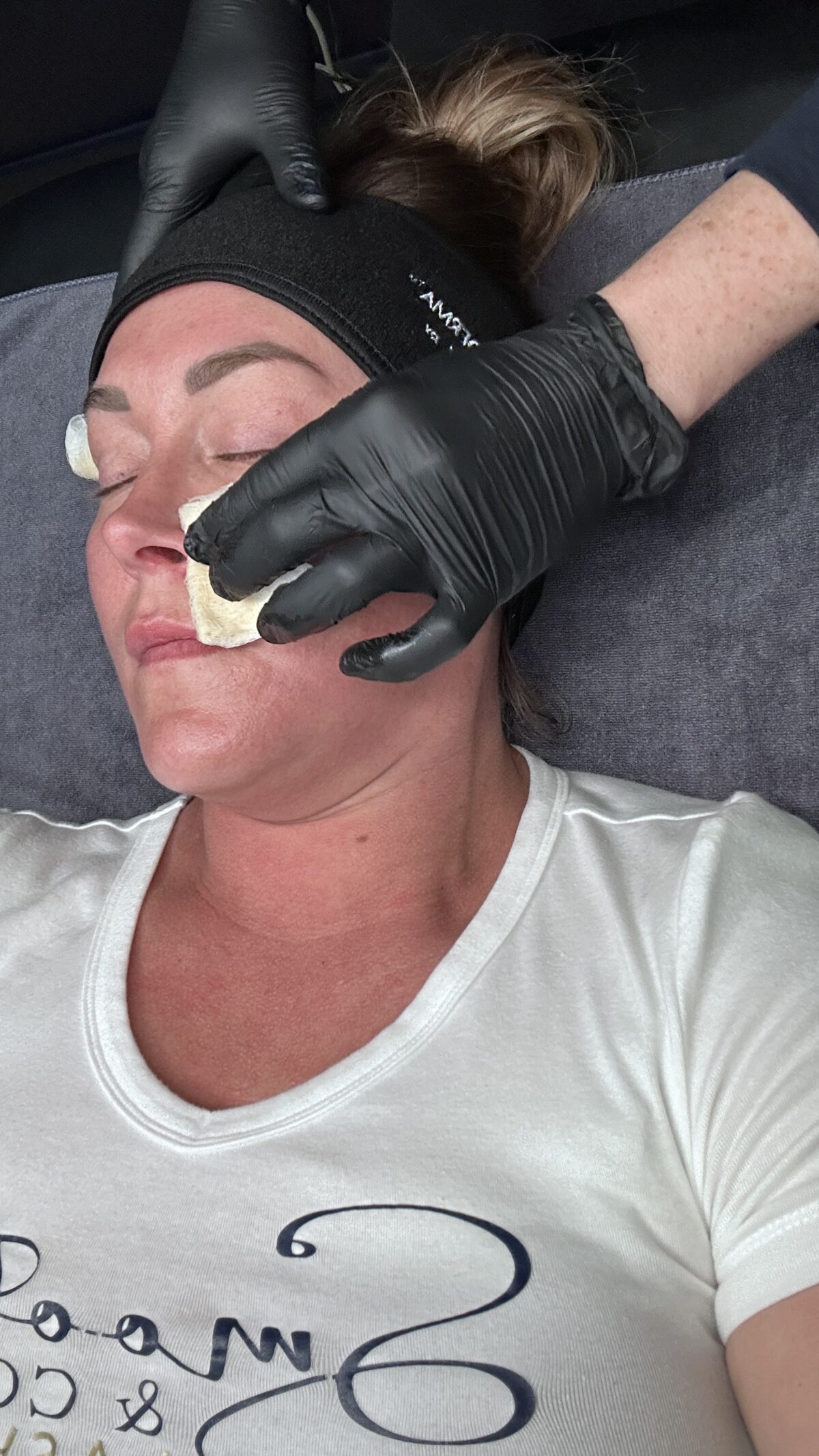
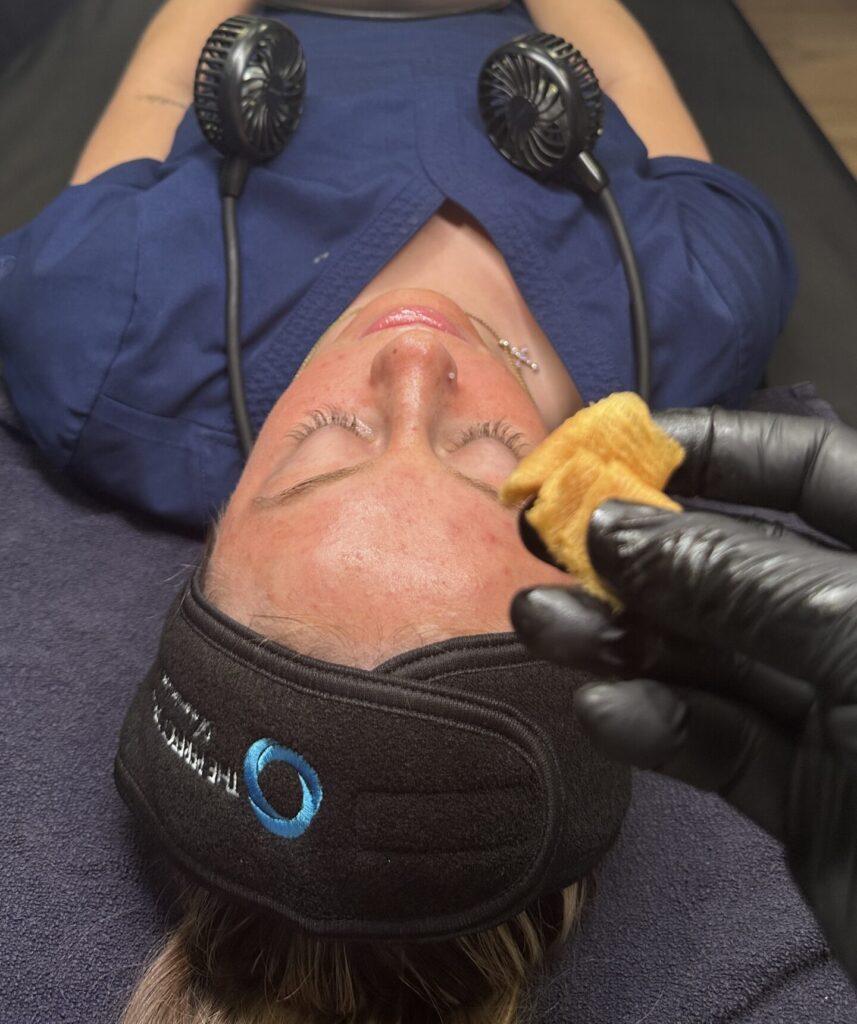
Chemical peels for healthier skin are one of the most effective professional treatments for improving skin tone, texture, acne, and signs of aging. At Smoothe & Co. in Raleigh, we utilize customized chemical peels to gently exfoliate the skin and stimulate cellular renewal, promoting long-term skin health.
What Are Chemical Peels?
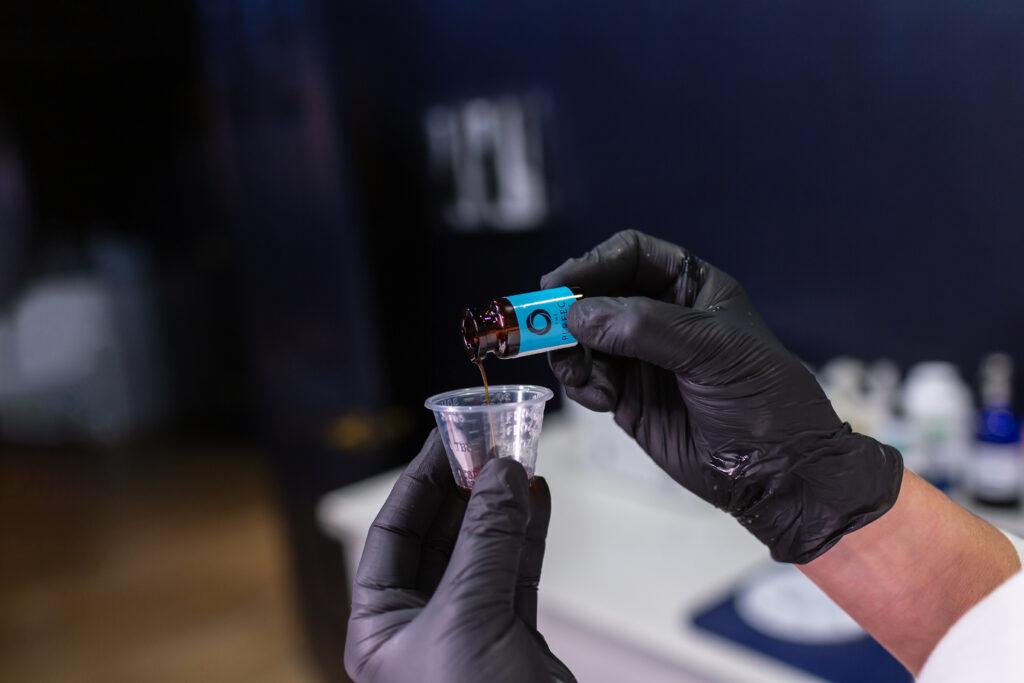
Chemical peels are professional exfoliation treatments that use medical-grade acids to remove damaged outer layers of skin. By encouraging controlled exfoliation, chemical peels reveal fresher, healthier skin underneath.
There are three main types of chemical peels:
- Superficial peels (light exfoliation, minimal downtime)
- Medium-depth peels (target pigmentation, acne scars, fine lines)
- Advanced peels (performed in a clinical setting for deeper correction)
At Smoothe & Co., we carefully select the right peel based on your skin type, concerns, and goals.
How Chemical Peels Work
Chemical peels work by breaking down the bonds between dead skin cells. This process:
- Accelerates cell turnover
- Stimulates collagen production
- Clears congested pores
- Improves skin clarity and smoothness
As old skin sheds, new skin cells rise to the surface, giving your complexion a brighter, more youthful appearance.
Why Your Skin Needs Chemical Peels
Our skin naturally sheds dead cells, but this process slows as we age. Environmental damage, stress, and improper skincare can also cause buildup.
Chemical peels for healthier skin help:
- Treat acne and acne scarring
- Reduce fine lines and wrinkles
- Fade sun damage and hyperpigmentation
- Improve uneven texture and dullness
Regular professional exfoliation keeps skin functioning optimally and enhances the results of your home skincare routine.
How Chemical Peels Work: The Science Behind the Treatment
Chemical peels work on a cellular and biochemical level to improve overall skin function, not just appearance. The acids used in professional chemical peels interact with the skin by lowering the skin’s pH, which triggers controlled injury and renewal.
Healthy skin naturally maintains a slightly acidic pH (around 4.5–5.5). When a chemical peel is applied, the pH drops temporarily, activating enzymes that break down the bonds (called desmosomes) that hold dead skin cells together. This process allows damaged, pigmented, or congested cells to shed more efficiently.
Different acids target different layers and concerns:
- Alpha Hydroxy Acids (AHAs) like glycolic and lactic acid are water-soluble and work primarily on the surface of the skin. They improve texture, hydration, and dullness by dissolving surface debris and increasing epidermal turnover.
- Beta Hydroxy Acids (BHAs) like salicylic acid are oil-soluble, allowing them to penetrate into the pore lining. This makes them especially effective for acne, congestion, and inflammation.
- Polyhydroxy Acids (PHAs) provide similar exfoliation to AHAs but with larger molecular structures, making them gentler and ideal for sensitive or compromised skin.
As the peel stimulates exfoliation, it also sends signals to the deeper layers of the skin (the dermis) to increase fibroblast activity. Fibroblasts are responsible for producing collagen, elastin, and glycosaminoglycans, which give skin its firmness and resilience.
What Chemical Peels Do to Your Skin
After a chemical peel, your skin may feel tighter and look brighter within days. Over time, clients notice:
- Improved elasticity
- Clearer pores
- Smoother makeup application
- A more even skin tone