
Why You Should Switch Up Your Skincare Products When the Weather Changes

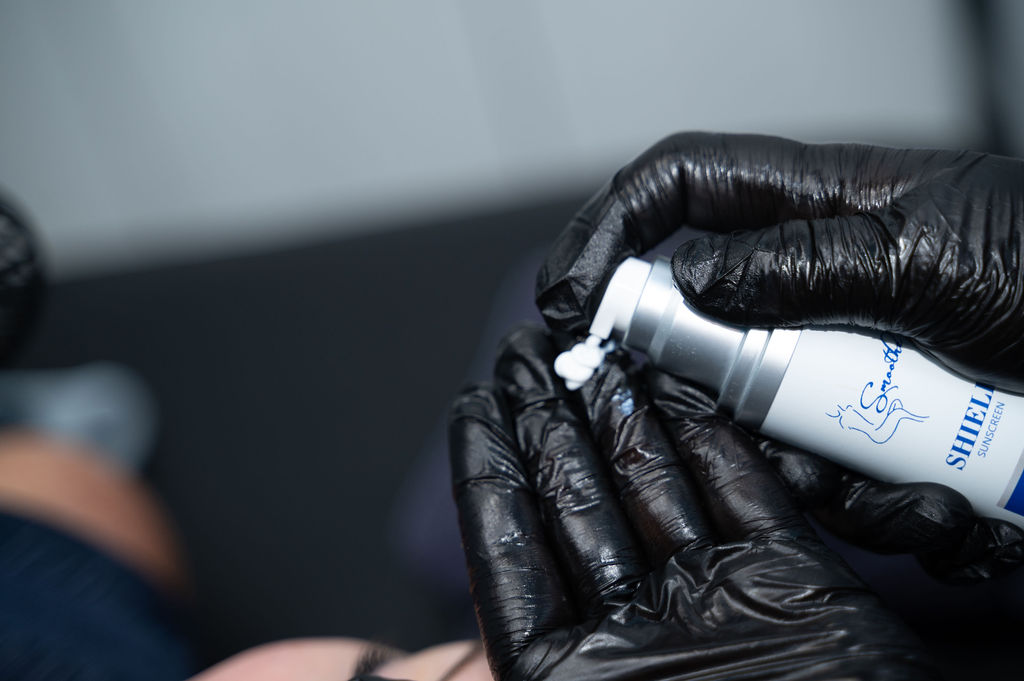
As the seasons change, so should your skincare routine. Transitioning from summer to fall, or winter to spring, can have a significant impact on your skin. Adjusting your skincare products to match the changing weather is crucial for maintaining healthy, radiant skin all year round. Here’s why it’s important and how you can optimize your routine for different weather conditions.
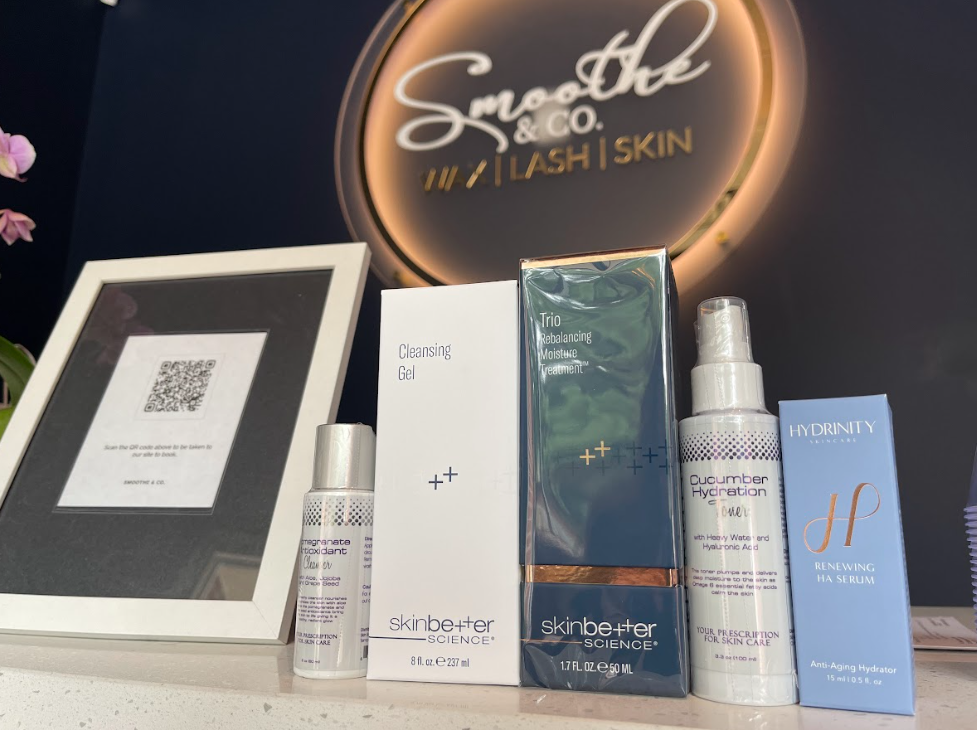
The Impact of Weather on Your Skin
Summer vs. Winter
• Summer: High temperatures and humidity can increase oil production and lead to clogged pores, acne, and sun damage.
• Winter: Cold, dry air can strip your skin of moisture, causing dryness, flakiness, and irritation.
Spring vs. Fall
• Spring: Pollen and allergens can trigger skin sensitivities and breakouts.
• Fall: As temperatures drop, your skin may require more hydration and protection against wind and cold.
Why You Should Switch Up Your Skincare Products
1. Hydration Needs Vary
During the summer, lighter, oil-free moisturizers are often sufficient to keep your skin hydrated without clogging pores. In contrast, winter’s cold, dry air necessitates richer, more emollient creams to lock in moisture and protect your skin’s barrier.
2. Sun Protection Adjustments
While sun protection is essential year-round, you might need a higher SPF during the summer months when UV exposure is more intense. In winter, a lower SPF combined with a hydrating sunscreen can suffice, as the sun’s rays are less direct but still harmful.
3. Addressing Different Skin Concerns
Seasonal changes can exacerbate different skin issues. For instance, summer can lead to more acne and sun damage, requiring products with salicylic acid or vitamin C. Winter may bring about dryness and sensitivity, calling for soothing ingredients like hyaluronic acid and ceramides.
4. Adapting to Environmental Changes
Spring and fall introduce new environmental factors such as pollen and wind, which can affect your skin’s health. Anti-inflammatory and calming products can help mitigate these seasonal irritants.
Tips for Transitioning Your Skincare Routine
1. Gradually Introduce New Products
Switching all your products at once can overwhelm your skin. Gradually incorporate new items to ensure your skin adapts smoothly without irritation.
2. Focus on Hydration
Regardless of the season, keeping your skin well-hydrated is key. Adjust the type and amount of moisturizer based on the weather to maintain balanced skin.
3. Use Gentle Cleansers
Opt for gentle, hydrating cleansers that won’t strip your skin’s natural oils, especially during seasonal transitions.
4. Incorporate Antioxidants
Antioxidants like vitamin C can protect your skin from environmental damage year-round. They are particularly beneficial during the summer for sun protection and during the winter for repairing damage.
5. Don’t Forget Exfoliation
Regular exfoliation helps remove dead skin cells and promotes cell turnover. Adjust the frequency and type of exfoliant based on your skin’s needs during different seasons.